


Normal Endometrial Values
May 23, 2022
Source: Cainiu Health

Dr. Lv Aiming
Introduction
The normal endometrial thickness typically ranges from 0.8 to 1.0 cm, and it varies throughout the menstrual cycle. Before menstruation, the endometrial thickness usually measures 1.2–1.8 cm; values below 1.2 cm or above 1.8 cm are considered abnormal. It is advisable to promptly visit a hospital for a transvaginal ultrasound examination. Abnormal endometrial thickness—either too thin or too thick—may impair fertility and hinder conception.
Endometrial thickness is closely related to the cyclical changes of the endometrium. These cyclical changes encompass both histological and biochemical alterations in the endometrium. Endometrial thickness is influenced by its histological changes. So, what constitutes a normal endometrial thickness?
Normal Endometrial Thickness
Typically, normal endometrial thickness ranges from 0.8 to 1.0 cm. However, endometrial thickness varies throughout the menstrual cycle. Just before menstruation, the endometrium normally measures 1.2–1.8 cm. A thickness less than 1.2 cm or greater than 1.8 cm is considered abnormal. In such cases, it is advisable to promptly undergo a transvaginal ultrasound examination at a hospital. Abnormal endometrial thickness—either too thin or too thick—may impair fertility and hinder conception.
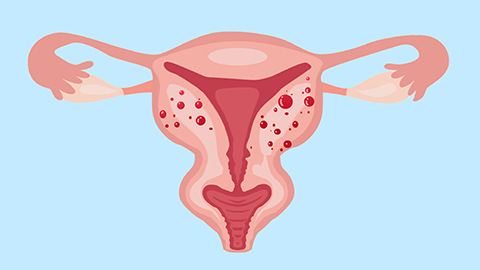
If the endometrium is excessively thick, a diagnostic curettage (D&C) may be required at a hospital. Adequate rest is also recommended. Conversely, a thin endometrium may result from insufficient estrogen levels. Under a physician’s guidance, appropriate estrogen supplementation may be prescribed to restore endometrial health. Pregnancy should only be attempted after full endometrial recovery to minimize the risk of miscarriage.

Throughout a woman’s menstrual cycle, endometrial thickness continuously fluctuates. During the early proliferative phase (under estrogen stimulation), the endometrium gradually thickens to approximately 3–5 mm. In the late proliferative and secretory phases (under progesterone influence), the endometrium enters the secretory phase; under the combined action of estrogen and progesterone secreted by the corpus luteum, it further thickens, reaching about 10 mm by the late secretory phase. At the onset of menstruation, endometrial thickness typically measures 15–20 mm. We hope this information is helpful!




