


Normal Heart Rate Values
May 23, 2022
Source: Cainiu Health

Dr. Li Man
Introduction
A sinus rhythm with a heart rate of 60–100 beats per minute falls within the normal range. In individuals who regularly engage in physical exercise, the baseline and resting heart rates may be below 60 beats per minute; however, a resting heart rate above 50 beats per minute is still considered normal and does not indicate disease. A normal heart rate refers to the rate observed during routine daily activities—without additional emotional excitement or underlying conduction system abnormalities.
Heart rate refers to the frequency and number of heartbeats per minute. It increases with heightened sympathetic nervous system activity and decreases with enhanced vagal (parasympathetic) nervous system activity. So, what constitutes a normal heart rate?
Normal Heart Rate Range
A sinus rhythm with a heart rate of 60–100 beats per minute (bpm) falls within the normal range. In individuals who regularly engage in physical exercise, baseline or resting heart rates may fall below 60 bpm; however, rates above 50 bpm are generally considered normal and do not indicate disease. A normal heart rate reflects everyday physiological conditions—without emotional excitement or underlying conduction system abnormalities.

Typically, a heart rate of 60–100 bpm is considered normal. However, a resting heart rate exceeding 90 bpm is relatively elevated and may suggest insufficient daily physical activity or other underlying issues—such as reduced stroke volume due to non-cardiac causes. Consequently, the heart must beat faster to maintain adequate cardiac output. Alternatively, an abnormally elevated baseline heart rate could be attributable to thyroid dysfunction (e.g., hyperthyroidism).
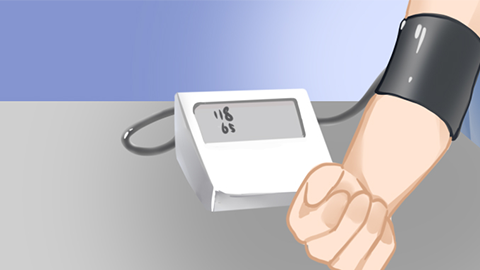
When patients have comorbid conditions such as diabetes, hypertension, or coronary artery disease, an excessively rapid heart rate can significantly increase myocardial oxygen demand, potentially leading to recurrent episodes of myocardial ischemia—even if the heart rate remains within the conventional “normal” range. Therefore, close monitoring is warranted. If a patient has an elevated baseline heart rate, physical exertion will further accelerate it, necessitating appropriate heart rate control measures. We hope this explanation proves helpful!







