


Can you soak your feet during a gout attack?
May 24, 2022
Source: Cainiu Health

Dr. Liu Aihua
Introduction
It is generally not recommended to soak the feet during a gout attack. Gout is a metabolic disorder characterized by elevated serum uric acid levels resulting from abnormal purine metabolism. During an acute gout attack, typical clinical manifestations include redness, swelling, warmth, and pain in the affected joints—commonly the first metatarsophalangeal joint (big toe) and the knee joint. Soaking the feet in hot or warm water may accelerate local blood circulation, potentially worsening the redness, swelling, warmth, and pain.
Many people in daily life suffer from gout—a common clinical condition that significantly impairs quality of life and overall health. Individuals with gout must adhere to strict dietary restrictions. But can patients soak their feet during a gout flare-up?
Can patients soak their feet during a gout flare-up?
Soaking the feet is generally not recommended during an acute gout attack. Gout is a metabolic disorder caused by abnormal purine metabolism, leading to elevated serum uric acid levels. During an acute flare, the hallmark clinical manifestations include redness, swelling, heat, and pain in affected joints—most commonly the first metatarsophalangeal joint (big toe), ankle, and knee. Soaking the feet in warm or hot water accelerates local blood circulation, potentially worsening inflammation and intensifying symptoms such as redness, swelling, heat, and pain. Therefore, foot soaking should be avoided during acute gout attacks. Patients should instead rest adequately, avoid fatigue, keep affected joints warm, and strictly follow medical advice—taking medications such as diclofenac or colchicine to alleviate joint inflammation and pain.
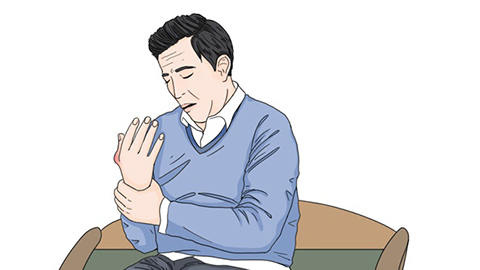
Gout has become a widespread and increasingly concerning public health issue, closely linked to diet and lifestyle factors. Prompt medical consultation, accurate diagnosis, and appropriate treatment are crucial upon disease onset. Gout management is typically divided into two phases: First, the acute phase—focused on symptom control, including reducing swelling and relieving pain; and second, the chronic phase—initiated only after acute symptoms have subsided, emphasizing uric acid–lowering therapy. This latter phase constitutes the cornerstone of long-term management. Without sustained uric acid reduction, gout flares will recur repeatedly, potentially leading to tophi formation and organ damage.
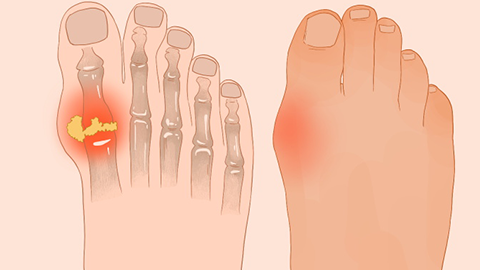
Patients with gout should pay close attention to daily dietary habits and nutritional balance. They should avoid spicy foods and high-purine items to prevent gout from severely disrupting everyday life. We hope this information proves helpful to you!





