What Are the Early Symptoms of Gout?
May 24, 2022
Source: Cainiu Health

Dr. Pan Yongyuan
Introduction
In the early stage of gout, patients are typically asymptomatic; however, serum uric acid levels are elevated upon testing. If hyperuricemia is not properly controlled, the following symptoms may subsequently develop: acute gouty arthritis—often presenting suddenly in the morning or at night as monoarticular involvement, commonly affecting the first metatarsophalangeal joint (big toe), ankle, or knee joints. In long-standing gout, involvement of the finger joints may occur, and pain may also develop in the soft tissues of the auricle (outer ear).
Gout is a form of arthritis caused by elevated serum uric acid levels in the body. When gout occurs, it can cause severe pain in the affected joints; in severe cases, it may lead to joint deformity and even involve the kidneys, impairing renal function. So, what are the early symptoms of gout?
What Are the Early Symptoms of Gout?
In its initial stage, gout is typically asymptomatic; however, blood tests may reveal elevated serum uric acid levels. If hyperuricemia remains uncontrolled, the following symptoms may subsequently develop: acute gouty arthritis—often presenting suddenly during the early morning or nighttime as monoarticular involvement. Commonly affected sites include the metatarsophalangeal joint (big toe), ankle joint, and knee joint. In long-standing gout, finger joints may become involved, and pain may occur in the soft tissues of the earlobe.
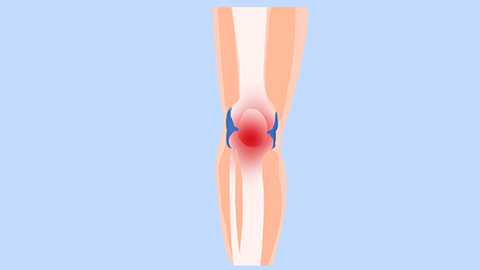
Gout attacks most commonly occur during the night, with intense pain often waking patients from sleep. In early-stage gout, attacks predominantly affect the lower limbs—especially the ankle joint—manifesting as redness, swelling, and severe pain that patients find intolerable. Acute episodes usually resolve spontaneously within two weeks. However, if early gout is inadequately treated, persistently elevated serum uric acid levels may damage the kidneys, leading to gouty nephropathy. At this stage, patients may experience increased nocturia, dysuria, or hematuria.
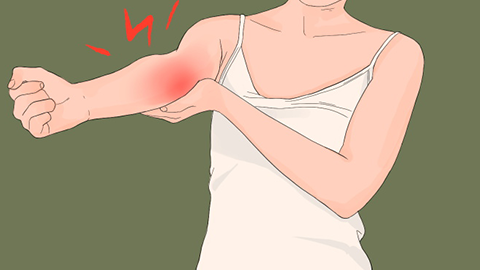
The hallmark of early gout is hyperuricemia, followed later by arthritic manifestations. Upon detection of early signs—particularly elevated serum uric acid—it is advisable to initiate uric acid–lowering therapy promptly to prevent further complications. We hope this article has been helpful. Wishing you a joyful life and good health!