What seafood can people with gout eat?
May 24, 2022
Source: Cainiu Health

Dr. Liu Aihua
Introduction
Patients with gout must avoid seafood, as it is high in purines. Beer, meat broth, and bone broth also contain very high levels of purines and may trigger acute gout attacks; therefore, gout patients should avoid all types of seafood. In daily life, gout patients must follow a low-purine diet. In addition to spinach, they may consume milk, eggs, and various vegetables—all of which are low-purine foods.
Some individuals with hyperuricemia may develop gout if the condition is not promptly managed. Yet, many of these individuals enjoy eating seafood. So, which types of seafood can gout patients consume?
Which Seafood Can Gout Patients Eat?
Gout patients should avoid all seafood, as it is generally high in purines. Beverages such as beer and broths—including meat broth and bone broth—are also extremely high in purines and may trigger acute gout attacks. Therefore, gout patients must strictly avoid all seafood. A low-purine diet is essential for daily management. In addition to spinach (which contains moderate purines and should be consumed in moderation), gout patients may safely consume milk, eggs, and most vegetables—all of which are low-purine foods and may be eaten regularly and in generous amounts.
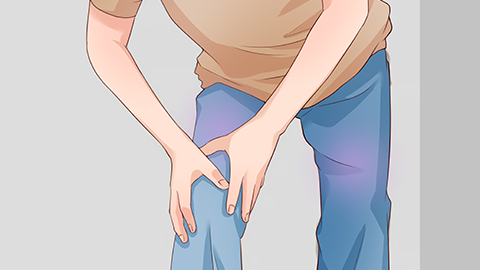
Gout develops primarily due to elevated serum uric acid levels that remain uncontrolled. This hyperuricemia results from disturbances in purine metabolism. Thus, the most critical step for gout patients seeking symptom relief is strict control of dietary purine intake. High-purine foods must be avoided entirely, as their consumption can exacerbate gout symptoms.

Diet is a primary contributor to gout onset and recurrence. Poor dietary choices—especially consumption of high-purine foods and alcohol—significantly increase the risk of gout flares. Exposure to cold temperatures is another key trigger. Large fluctuations in nighttime temperatures, particularly sudden drops, can promote deposition of urate crystals or tophi in the joints, directly precipitating acute gout attacks. We hope this information proves helpful!