


What should I do if I develop gout after eating seafood?
May 26, 2022
Source: Cainiu Health

Dr. Pan Yongyuan
Introduction
Consuming seafood may trigger gouty arthritis attacks, so intake should be carefully controlled. However, not all types of seafood are strictly prohibited for gout patients. Some seafood items—such as anchovies, sardines, mackerel, and scallops—are high in purines and should be avoided. Others—such as crab, lobster, shrimp, and squid—contain moderate levels of purines and may be consumed in moderation by individuals with gout.
Seafood—also known as marine food—is rich in high-quality protein and helps boost the body’s immune function. Some individuals with gout also consume seafood. So, what should one do if eating seafood triggers a gout attack?
What to Do If Seafood Triggers Gout
Consuming seafood may trigger acute gouty arthritis; therefore, intake should be carefully controlled. However, not all types of seafood are strictly prohibited for gout patients. While certain seafood varieties—such as those high in purines—should be avoided, others contain only moderate levels of purines and may be consumed in moderation by individuals with gout.
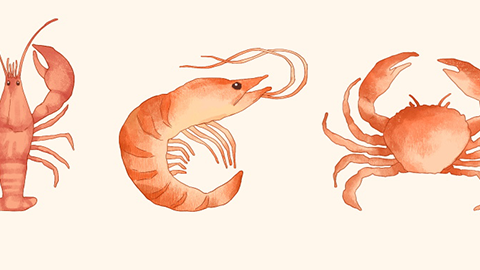
Seafood items that gout patients should avoid include shark, cod, hairtail (Trichiurus lepturus), sardines, and all types of shellfish. Other freshwater fish and certain other seafood may be consumed in moderation. When eating seafood, gout patients should avoid alcohol entirely—including both beer and spirits—as alcohol consumption can exacerbate gout attacks. If high-purine seafood is inadvertently consumed, increase fluid intake. Drinking ample water promotes uric acid excretion. Additionally, moderate consumption of alkaline mineral water (e.g., sodium bicarbonate–containing beverages) or small amounts of sodium bicarbonate may help alkalinize urine and facilitate uric acid elimination.
Avoid staying up late or remaining sedentary for prolonged periods. Engage in appropriate outdoor physical activity, which not only improves blood circulation but also enhances overall immunity and supports recovery from illness. Moreover, if gout symptoms occur, promptly seek medical evaluation and follow your physician’s guidance for appropriate management. We hope this information proves helpful!


