


What should I do if my ankle hurts due to gout?
May 28, 2022
Source: Cainiu Health

Dr. Pan Yongyuan
Introduction
Gout commonly causes ankle pain. It is recommended to promptly initiate treatment with colchicine as prescribed by your physician, or use nonsteroidal anti-inflammatory drugs (NSAIDs) such as celecoxib, meloxicam, or etoricoxib to alleviate pain and other discomforts. If pain persists despite treatment with the above medications, intra-articular corticosteroid injection may be considered. Additionally, patients are advised to rest adequately in the near term.
During a gout attack, joint pain commonly occurs—most frequently affecting the joints of the feet. Prompt and effective intervention is essential, as gout-related pain can cause significant discomfort and distress to patients.
What should you do if your ankle hurts due to gout?
Gout-induced ankle pain warrants prompt treatment. It is recommended to start colchicine therapy as prescribed by your physician. Alternatively, nonsteroidal anti-inflammatory drugs (NSAIDs) such as celecoxib, meloxicam, or etoricoxib may be used to alleviate pain and other associated symptoms. If pain persists despite NSAID use, intra-articular corticosteroid injection may be considered. Additionally, patients should rest adequately, minimize physical activity, and follow a low-purine diet—avoiding high-purine foods such as organ meats and rich meat broths. Increased fluid intake is also advised to promote uric acid excretion.
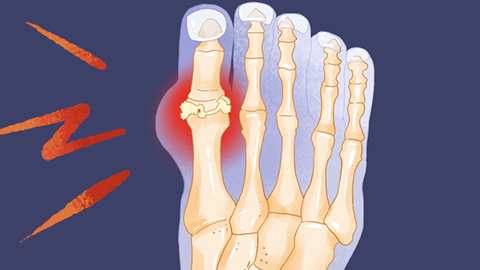
When gout patients experience foot pain, it is crucial first to determine whether an acute gout flare is occurring. Characteristic signs—including localized redness, warmth, swelling, and tenderness—strongly suggest an acute gout attack. In such cases, prompt administration of anti-inflammatory analgesics—such as diclofenac sodium, ibuprofen, or indomethacin—is recommended. If these medications prove ineffective, a short course of low-dose glucocorticoids may be prescribed. Furthermore, if classic signs of inflammation (redness, swelling, heat, and pain) are absent, other potential causes—including trauma or fracture—should be ruled out.
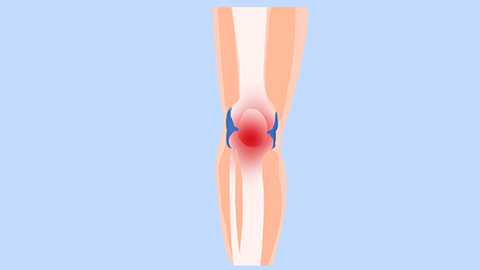
For ankle pain caused by gout, cold compresses or gentle massage may help relieve discomfort. We hope this article has been helpful. Wishing you a happy life and good health!





