Can people with gout drink mung bean soup?
May 28, 2022
Source: Cainiu Health

Dr. Pan Yongyuan
Introduction
Patients with gout may consume mung bean soup during non-acute phases. Mung beans naturally contain purines—approximately 75 mg per 100 g—placing them in the moderate-to-low purine category; therefore, mung bean soup is not recommended during acute gout flares. The most suitable foods are those containing less than 30 mg of purines per 100 g—primarily low-purine options such as whole grains, vegetables, and fruits.
Mung beans possess liver-protective and kidney-protective properties, as well as heat-clearing, detoxifying, and summer-heat-relieving effects. Regular consumption of mung beans helps protect the liver. So, can individuals with gout drink mung bean soup?
Can individuals with gout drink mung bean soup?
Individuals with gout may consume mung bean soup during non-acute (intercritical or remission) phases. Mung beans themselves contain moderate-to-low levels of purines—approximately 75 mg per 100 g—and are therefore not recommended during acute gout flares. The preferred foods for gout patients contain less than 30 mg of purines per 100 g—primarily low-purine options such as whole grains, vegetables, and fruits, which typically contain 0–30 mg of purines per 100 g. Acute gout attacks—most commonly presenting as gouty arthritis—often begin in the early morning and peak within approximately 48 hours. During acute episodes, dietary vigilance is especially critical; even moderate-purine foods should be avoided. In contrast, small amounts of mung bean soup may be consumed during the remission phase.
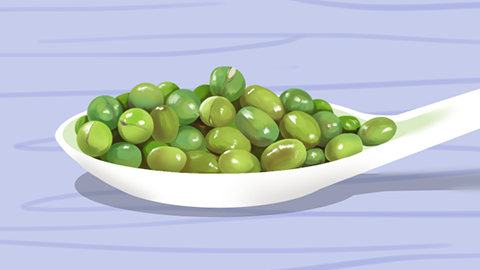
Patients in the gout remission phase—characterized by absence of joint redness, swelling, heat, or pain—may drink mung bean soup, but only in moderation. Conversely, those experiencing an acute gout flare should avoid mung bean soup entirely.
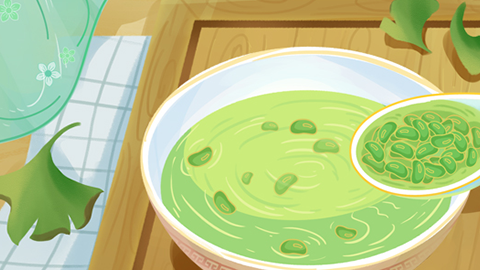
Gout is a metabolic disorder caused by disturbances in purine metabolism, leading to elevated serum uric acid levels. As a legume product, mung beans are classified as a moderate-purine food. Although boiling mung beans in water dilutes their purine content, the resulting soup still contains appreciable purines; thus, consuming mung bean soup may elevate serum uric acid levels and hinder disease recovery. We hope this article has been helpful. Wishing you a joyful life and good health!