


Normal FSH Values
May 31, 2022
Source: Cainiu Health

Dr. Lv Aiming
Introduction
FSH normal value ranges vary across different life stages. During puberty, FSH levels are typically less than 5 U/L. In women of reproductive age, the normal range is generally 5–20 U/L. After menopause, FSH levels often exceed 40 U/L. Therefore, the normal reference range for FSH differs depending on a woman’s life stage.
FSH (follicle-stimulating hormone) is a hormone that promotes ovarian follicle development in women. It is normally secreted by the pituitary gland. Abnormally high or low FSH levels can both disrupt normal ovulation. So, what constitutes a normal FSH level?
Normal FSH Levels
Normal FSH values vary depending on life stage: during puberty, levels are typically <5 IU/L; during the reproductive years, the normal range generally falls between 5–20 IU/L; and after menopause, levels often exceed 40 IU/L. Thus, reference ranges differ significantly across life stages, and interpretation should be based on the individual’s age.
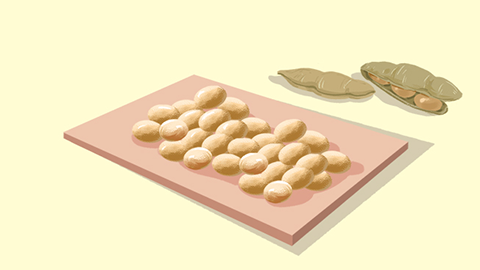
Elevated FSH levels may occur in women with poor nutritional status, irregular lifestyles, or excessive psychological stress—potentially indicating diminished ovarian function and adversely affecting fertility. Dietary measures may include consuming foods rich in phytoestrogens, such as onions, black beans, and soy milk. In some cases, progesterone tablets may be prescribed under medical supervision.

Conversely, abnormally low FSH levels may also cause adverse effects, including ovulatory dysfunction, blurred vision, and impaired ovarian development. Regular physical activity can help improve overall health. Increasing intake of soy milk, as well as fruits and vegetables rich in trace elements and vitamins, may support healthy FSH levels. In more severe cases, medications such as clomiphene citrate tablets or capsules may be prescribed under physician guidance. Should any concerning symptoms arise, prompt medical evaluation is essential—self-medication must be avoided to prevent potential harm. We hope this information is helpful to you.





