


How long can a patient with end-stage liver cancer survive after falling into a coma?
Jun 01, 2022
Source: Cainiu Health

Dr. Jin Zhongkui
Introduction
When patients with liver cancer develop hepatic encephalopathy, their survival time depends on the severity of their condition and their response to treatment. With prompt and aggressive treatment, patients who respond well may regain consciousness and experience prolonged survival—some surviving for approximately 3 months to half a year. Conversely, among those who lapse into deep coma with severe disease, some may die within about one month.
Hepatocellular carcinoma (HCC) is a relatively common chronic disease. In advanced stages, some patients may develop coma, causing family members great concern about the patient’s imminent prognosis. So, how long can a patient survive after developing coma in end-stage liver cancer?
How long can a patient survive after developing coma in end-stage liver cancer?
When hepatic encephalopathy (liver coma) occurs in patients with liver cancer, survival duration depends on both the severity of the condition and the effectiveness of treatment. With prompt and aggressive intervention, some patients regain consciousness and experience prolonged survival—often lasting approximately three to six months. Conversely, patients who lapse into deep, irreversible coma due to severe disease may succumb within about one month.
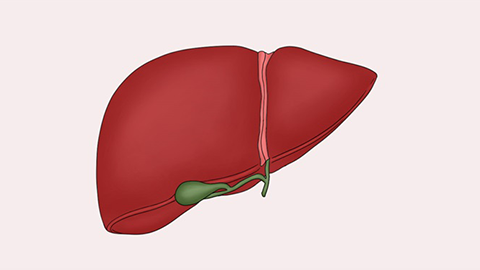
Most patients with end-stage liver cancer also suffer from cirrhosis. In addition to hepatic dysfunction, they frequently develop esophageal and gastric varices—abnormally dilated veins in the upper gastrointestinal tract—which are highly prone to rupture and life-threatening hemorrhage. Although patients may feel free to eat whatever they wish, food must be soft and easily digestible to avoid injuring these fragile, swollen vessels. Hard or sharp foods—including fried items, fish bones, and rib bones—must be strictly avoided. Overall gastrointestinal digestive function is markedly impaired. Therefore, a “small-portion, frequent-meal” approach is recommended: eating smaller amounts more often helps ensure adequate nutrition while minimizing gastrointestinal burden and reducing gastric acid accumulation, which could otherwise erode the varices.
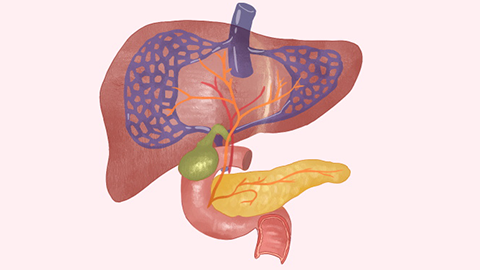
Dietary recommendations for patients with end-stage liver cancer emphasize light, bland, and easily digestible foods—such as vegetable congee, rice porridge, Chinese yam porridge, noodles, and steamed buns. Spicy, stimulating, or greasy foods—including chili peppers, fatty meats, and fried foods—should be avoided, as should tobacco and alcohol. Patients should also ensure sufficient rest, avoid physical exhaustion, and maintain emotional stability. We hope this article has been helpful to you!





