


What Causes Recurrent Mouth Ulcers?
Jun 02, 2022
Source: Cainiu Health

Dr. Zhang Liwen
Introduction
If you frequently develop recurrent oral ulcers, the first consideration should be whether you have recently experienced excessive work-related stress or poor mental well-being. One of the most common causes of oral ulcers is psychological stress—particularly when accompanied by insufficient sleep—which leads to decreased immune function and subsequently triggers oral ulcers. Therefore, if this is the underlying cause…
Some patients experience recurrent oral ulcers, which not only cause oral pain but also impair speech. So, what causes recurrent oral ulcers?
What Causes Recurrent Oral Ulcers?
If you frequently develop oral ulcers, the first consideration should be whether recent work-related stress is excessive or your mental state has been suboptimal. Psychological stress—particularly when coupled with insufficient sleep—is one of the most common causes of oral ulcers. Such stress can suppress immune function, thereby predisposing individuals to ulcer formation. If this is the underlying cause, it’s essential to maintain a regular sleep-wake schedule, avoid excessive psychological strain, and cultivate a positive, relaxed mood.
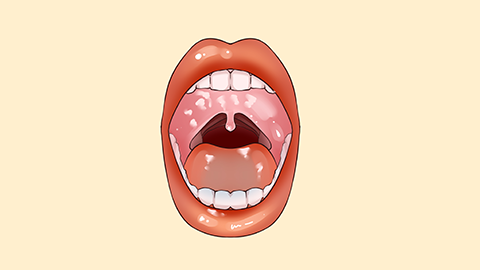
Secondly, consider whether external irritants may be contributing—for example, sharp edges from residual tooth crowns or roots, or poorly fitting dental prostheses. Thermal injury is another potential trigger: consuming excessively hot food or beverages may scald the oral mucosa and precipitate ulceration. Additionally, accidental trauma—such as biting the lip or cheek mucosa while eating—can initiate ulcer development at the site of injury. Patients are advised to engage regularly in physical exercise to improve overall physical fitness and enhance immune resilience.
Lastly, if oral ulcers persist without healing, prompt medical evaluation is strongly recommended to rule out underlying systemic diseases or other pathological conditions. Appropriate diagnostic workup and targeted treatment should then be initiated based on the identified etiology. We hope this information proves helpful to you!





