


How Long Can a Patient with Intermediate-Stage Liver Cancer Survive?
Jun 02, 2022
Source: Cainiu Health

Dr. Jin Zhongkui
Introduction
Patients with intermediate-stage hepatocellular carcinoma (HCC) typically survive 1–2 years. Symptoms at this stage may include upper abdominal distension, pain in the hepatic region, and general discomfort. Diagnostic evaluation should include color Doppler ultrasonography and contrast-enhanced CT of the upper abdomen to assess the size of the hepatic lesion and determine whether metastasis is present. If no metastasis is detected, surgical resection is indicated. Following surgery, adjuvant transcatheter arterial infusion chemotherapy is recommended. With appropriate treatment, median overall survival can reach approximately 2–3 years.
Cancer is widely regarded as a terrifying disease in today’s society; consequently, individuals diagnosed with cancer often experience profound fear. So, how long can a patient with intermediate-stage liver cancer expect to survive?
How Long Can a Patient with Intermediate-Stage Liver Cancer Survive?
Patients with intermediate-stage liver cancer typically survive for 1–2 years. Common symptoms at this stage include upper abdominal fullness, pain or discomfort in the hepatic region, and general malaise. Diagnostic evaluation should include color Doppler ultrasound and contrast-enhanced CT of the upper abdomen to assess tumor size and determine whether metastasis has occurred. If no metastasis is detected, surgical resection is recommended. Postoperatively, patients usually undergo transcatheter arterial chemoembolization (TACE). With such combined treatment, median survival may extend to approximately 2–3 years. For patients who are not candidates for surgery, alternative treatments—including transarterial embolization (TAE) and argon-helium cryoablation—are commonly employed.
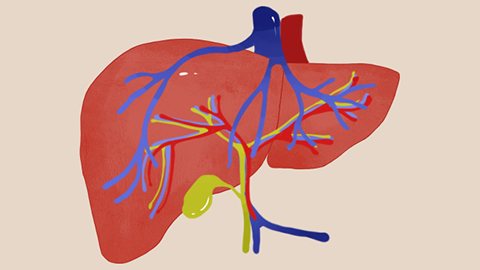
Early-stage liver cancer is potentially curable through surgical resection. For intermediate- to advanced-stage disease, treatment options include interventional chemotherapy, radiofrequency ablation (RFA), and targeted therapy—each of which may significantly prolong survival in selected patients. We recommend comprehensive evaluation at a specialized medical facility to accurately stage the disease and initiate timely, evidence-based antitumor therapy.

Liver cancer encompasses all malignant tumors originating in the liver. The most effective “treatment” is prevention. Therefore, individuals with normal dietary habits—and especially those with high-risk conditions such as cirrhosis, chronic hepatitis B, or chronic hepatitis C—should rigorously control underlying viral infections (e.g., HBV or HCV). Patients with high viral loads must ensure adequate rest, maintain balanced nutrition, strictly avoid alcohol consumption, prevent excessive fatigue, and adopt other preventive measures to reduce the risk of hepatocellular carcinoma. We hope this information proves helpful to you!





