


What Are the Conservative Treatment Options for Lumbar Disc Herniation?
Jun 07, 2022
Source: Cainiu Health

Dr. Lin Yunfei
Introduction
There are three types of treatment for lumbar disc herniation:
1. **Mild lumbar disc herniation**: Conservative treatment is appropriate in such cases, including medications, traditional physical therapy, manual manipulation, microwave therapy, and traction.
2. **Moderate lumbar disc herniation**: Minimally invasive treatments—such as acupuncture, needle-knife therapy, and radiofrequency ablation—may be employed.
3. **Severe lumbar disc herniation**: Surgical intervention becomes necessary when the herniation reaches a certain degree of severity.
Many patients suffer from lumbar disc herniation, which causes significant pain and greatly impacts their quality of life. What conservative treatment options are available for lumbar disc herniation?
What Are the Conservative Treatment Options for Lumbar Disc Herniation?
There are three main categories of treatment for lumbar disc herniation: First, in cases of mild herniation, conservative management is recommended—including pharmacotherapy, conventional physical therapy (e.g., manual manipulation, microwave therapy, and traction). Second, minimally invasive interventions—such as acupuncture, needle-knife therapy, and radiofrequency ablation—may be employed. Third, when the herniation is more severe, surgical intervention becomes necessary. Minimally invasive endoscopic discectomy via transforaminal approach (i.e., transforaminal endoscopic spine surgery) is currently the most advanced and least invasive method for disc removal. Additionally, endoscopic interbody fusion can be performed through the same or other minimally invasive corridors; alternative options also include open or minimally invasive fusion procedures.
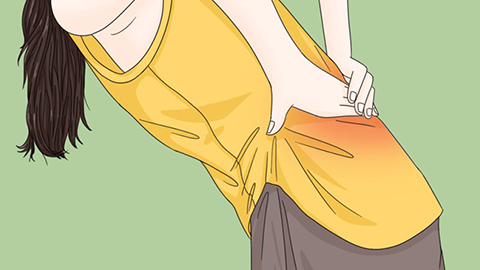
Individuals with unhealthy lifestyle habits—such as frequent mahjong playing or prolonged sitting—are advised to eliminate these behaviors. Lifestyle modifications are essential for prevention, as prolonged sitting is strongly associated with disc herniation. For office workers who sit for extended periods, performing brief “work-break exercises” every 40–50 minutes—standing up and moving around—is highly recommended.

All cases of disc herniation stem, at least in part, from lumbar muscle strain. Therefore, appropriate low-impact movement of the lower back is crucial—such as stretching upon rising or gentle mobility exercises—to relax and rest the lumbar musculature and joints. We hope this information proves helpful. Wishing you good health and a joyful life!






