


What foods can patients with liver cancer eat?
Jun 08, 2022
Source: Cainiu Health

Dr. Jin Zhongkui
Introduction
Patients with liver cancer should follow a diet high in protein and vitamins. However, when consuming a high-protein diet, it is essential to monitor for signs of hepatic encephalopathy. Patients with concurrent hepatic encephalopathy should limit protein intake to avoid exacerbating the condition and precipitating hepatic coma. For patients without hepatic encephalopathy, consumption of high-quality protein foods is recommended. Additionally, all patients should maintain a low-sodium diet to prevent water and sodium retention and worsening of ascites.
Many patients diagnosed with liver cancer have numerous dietary restrictions but are unclear about which specific foods are appropriate. So, what foods can patients with liver cancer consume?
What Foods Can Patients with Liver Cancer Eat?
The diet for patients with liver cancer should emphasize high-protein and high-vitamin foods. However, when consuming a high-protein diet, it is essential to monitor for signs of hepatic encephalopathy. Patients with concurrent hepatic encephalopathy must limit protein intake to avoid exacerbating the condition and potentially triggering hepatic coma. In contrast, patients without hepatic encephalopathy are encouraged to consume high-quality protein sources. Additionally, all patients should maintain a low-salt diet to prevent sodium and water retention, which may worsen ascites. Therefore, adequate protein intake is crucial for liver cancer patients to counteract hypercatabolism, prevent malnutrition and liver dysfunction—particularly hypoalbuminemia and ascites.
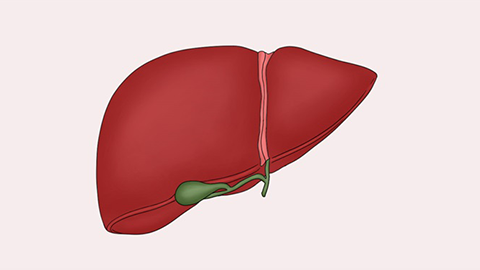
Liver cancer treatment options include: 1. Surgical treatment: Surgery remains the most effective therapeutic approach; however, only approximately 20% of patients diagnosed at an early stage are eligible. Many patients present too late for surgical intervention. Alternative local treatments include ablation therapy, high-intensity focused ultrasound (HIFU), microwave ablation, transarterial chemoembolization (TACE), localized radiotherapy, and multimodal integrated therapies. 2. Medical (systemic) treatment: Includes systemic chemotherapy (e.g., regorafenib) and broad-spectrum targeted therapies. 3. Biological therapy: Involves inactivating tumor cells ex vivo, followed by advanced in vitro stimulation and expansion of functional immune cells, which are then reinfused into the patient. Patients with liver cancer should undergo regular monitoring of liver function. Pain management with appropriate analgesics should be initiated promptly to improve quality of life.
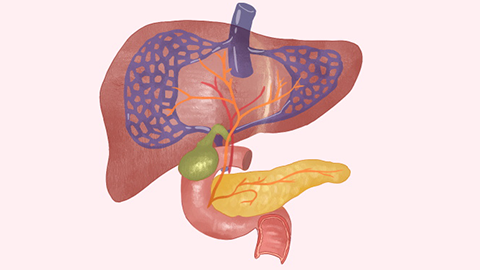
In summary, for patients with liver cancer who do not have hepatic encephalopathy, a diet rich in high-quality protein and low in sodium is recommended. We hope this information proves helpful!



