


Treatment of Rheumatic Diseases
Jun 10, 2022
Source: Cainiu Health

Dr. Liu Aihua
Introduction
Rheumatic disease can be treated with medications or surgery.
1. Medication therapy: When rheumatism occurs, nonsteroidal anti-inflammatory drugs (NSAIDs) may be used under a physician’s guidance to alleviate discomfort symptoms such as joint pain and swelling. Depending on the underlying cause, corticosteroids and immunosuppressants may also be prescribed by a physician to rapidly relieve symptoms.
For middle-aged individuals, rheumatic diseases are the most common illnesses. Among patients, women are more prone to rheumatic diseases than men. Therefore, women need to pay closer attention to related issues and also be mindful of treatment options. So, what are the treatment approaches for rheumatic diseases?
Treatment Methods for Rheumatic Diseases
Rheumatic diseases can be treated through medication and surgery.
- Medication therapy: When rheumatic disease occurs, nonsteroidal anti-inflammatory drugs (NSAIDs) may be prescribed by a physician to alleviate symptoms such as joint pain and swelling. Depending on the underlying cause, corticosteroids and immunosuppressants may also be administered under medical supervision to rapidly reduce discomfort.
- Surgical therapy: Rheumatic disease can become severe, leading to significant joint deformities and intolerable pain. When drug therapy proves ineffective, surgical interventions—including synovectomy, joint replacement, and tendon repair—may be considered. These procedures help improve joint function and reduce disability rates.
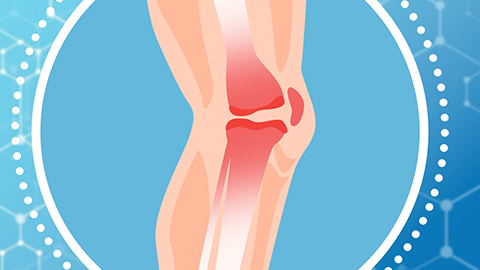
Patients with rheumatic diseases should adjust their lifestyle by maintaining regular physical exercise, adopting a scientifically balanced diet, and ensuring adequate rest. They should avoid cold and damp environments and limit intake of cold, spicy, or greasy foods. Patients with systemic lupus erythematosus (SLE) often exhibit photosensitivity; sun exposure may exacerbate skin rashes. Thus, consumption of phototoxic foods—such as celery—should be minimized. In daily life, patients must keep warm, promptly adjust clothing according to weather changes, maintain regular sleep-wake cycles, avoid fatigue and late-night activities, as irregular routines can worsen disease activity and impair immune function.

By conscientiously adjusting your lifestyle and mental well-being, you can expect favorable outcomes in the near future. We hope this response has been helpful to you.




