


How to relieve migraine caused by keratitis
Jun 29, 2022
Source: Cainiu Health

Dr. Chen You
Introduction
Migraine induced by keratitis warrants a thorough ophthalmic examination to rule out other ocular complications. Keratitis is one of the most common ophthalmic conditions. The most frequent symptoms following keratitis include ocular pain, photophobia, epiphora (excessive tearing), and blepharospasm, often accompanied by varying degrees of visual impairment. Visual acuity loss becomes more pronounced if the lesion involves the central optical zone.
There are numerous causes of headache in patients, including secondary and primary headaches, involving a wide range of contributing factors. Headaches may also occur when patients experience emotional distress or tension. Migraine triggered by keratitis significantly impacts patients’ well-being; therefore, this association must be carefully considered. So, how can migraine caused by keratitis be alleviated?
How to Alleviate Migraine Caused by Keratitis
Migraine associated with keratitis warrants thorough ophthalmic evaluation to rule out other ocular complications. Keratitis is one of the most common ophthalmic conditions. Typical symptoms following onset include ocular pain, photophobia, tearing, and eyelid spasm, often accompanied by varying degrees of visual impairment. Visual acuity loss becomes particularly pronounced if the lesion involves the central optical zone. Clinically, headache is relatively uncommon among keratitis patients. Should headache occur, further diagnostic evaluation is recommended to identify potential coexisting ocular complications. Untreated or poorly controlled keratitis may lead to serious complications such as corneal perforation or secondary glaucoma. In such cases, prompt and aggressive symptomatic treatment is essential.
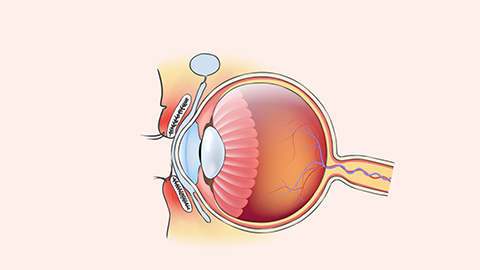
If migraine arises secondary to keratitis, immediate referral to an ophthalmologist is crucial to prevent disease progression. Migraine linked to keratitis may stem from various underlying pathologies; patients may experience pulsating headache localized to one or both temporal regions. If infection is confirmed, antimicrobial therapy is indicated; if inflammation is the primary driver, anti-inflammatory treatment should be initiated. For severe headache significantly impairing daily functioning or work performance, timely consultation with a neurologist—following definitive diagnosis—is strongly advised for appropriate management.
When keratitis is present, active treatment and comprehensive diagnostic evaluation are imperative. Identifying and eliminating the underlying cause is key to facilitating rapid recovery. At home, warm compresses may be applied, and patients should follow their physician’s instructions for ocular irrigation and pharmacotherapy tailored to their specific symptoms. Regular follow-up visits to the hospital are essential to monitor therapeutic response and recovery progress. We hope this information proves helpful.








