


Can patients with diabetic nephropathy drink fresh milk?
Jul 05, 2022
Source: Cainiu Health

Dr. Pan Yongyuan
Introduction
Patients with diabetic nephropathy may drink milk, preferably unsweetened milk. In cases of concurrent renal failure, milk intake should be reduced to prevent hyperphosphatemia. Diabetic nephropathy is caused by diabetes; therefore, patients should actively control blood glucose levels and adhere to a daily low-salt, low-fat diet. Milk has a low glycemic index and is rich in essential amino acids, protein, and trace elements.
It is widely known that fresh milk is rich in protein and can supply essential nutrients required by the human body. Occasionally, patients with diabetic nephropathy wonder whether they may consume fresh milk. So, can patients with diabetic nephropathy drink fresh milk?
Can patients with diabetic nephropathy drink fresh milk?
Yes—patients with diabetic nephropathy may consume milk, preferably unsweetened (sugar-free) varieties. However, if renal failure has developed, milk intake should be reduced to prevent hyperphosphatemia. Diabetic nephropathy results from long-standing diabetes; therefore, patients must actively control blood glucose levels and adhere to a daily low-salt, low-fat diet. Milk has a relatively low glycemic index and contains abundant essential amino acids, high-quality proteins, and trace elements—meeting the dietary requirements of patients with diabetic nephropathy. Thus, moderate consumption of unsweetened milk is appropriate. Additionally, patients should improve unhealthy lifestyle habits: quit smoking and alcohol, avoid staying up late, and engage regularly in aerobic exercise to enhance overall physical fitness.
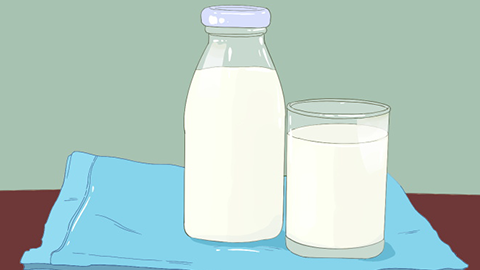
Patients with diabetic nephropathy should avoid excessive milk consumption. Large quantities of milk may overwhelm the digestive system’s capacity to break down lactose. When undigested lactose reaches the intestines, gut bacteria ferment it into gas and lactic acid, accelerating gastrointestinal motility and potentially causing symptoms such as abdominal distension and diarrhea.

If the disease progresses to renal failure, phosphorus metabolism becomes impaired. Consuming milk under these circumstances may lead to hyperphosphatemia and even disturbances in calcium-phosphate homeostasis. We hope this article has been helpful. Wishing you a joyful life and good health!







