


What Causes Bloating in the Stomach and Abdomen, Along with Nausea?
Aug 15, 2022
Source: Cainiu Health

Dr. Zhao Haiming
Introduction
Abdominal bloating, gastric distension, and nausea may result from improper diet, abdominal exposure to cold (often termed “abdominal cold”), or internal inflammation. It is recommended to take domperidone (Motilium) or Jianwei Xiaoshi Pian (a traditional Chinese medicine for promoting digestion and relieving food stagnation) under a physician’s guidance, or use Huoxiang Zhengqi Oral Liquid to alleviate symptoms. Patients should avoid cold, greasy, fried, spicy, and irritating foods, and keep the abdomen warm.
Gastrointestinal function is most easily affected by daily diet. Even consuming a slightly larger portion of food—or giving in to cravings for greasy or spicy foods—can trigger symptoms such as abdominal bloating and nausea. At this point, noticeable discomfort arises, requiring prompt intervention and treatment. So, what causes abdominal bloating and nausea?
What Causes Abdominal Bloating and Nausea?
Abdominal bloating and nausea may result from improper diet, abdominal exposure to cold (e.g., “abdominal cold”), or internal inflammation. It is recommended to take medications such as domperidone (Motilium) or Jianwei Xiaoshi Pian (a traditional Chinese digestive aid) under medical supervision, or use Huoxiang Zhengqi Oral Liquid to alleviate symptoms. Patients should avoid cold, greasy, fried, spicy, and otherwise irritating foods, and keep the abdomen warm. Bloating and nausea are manifestations of gastrointestinal dysfunction and common digestive system responses, often attributable to poor gastrointestinal function, reduced gastric motility, indigestion, or spleen-stomach deficiency.
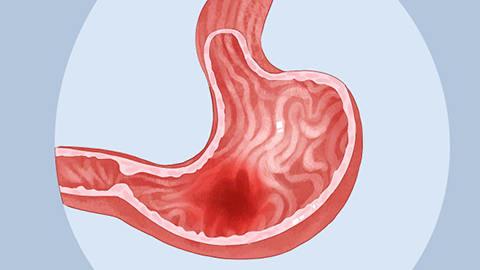
Abdominal bloating and nausea are primarily caused by indigestion, but may also stem from consumption of irritating foods. If indigestion is present, taking digestive aids such as Jianwei Xiaoshi Pian, hawthorn tablets, or lactobacillus tablets may help regulate gastrointestinal function, promote intestinal peristalsis, and accelerate digestion. Simultaneously, dietary adjustments are essential—spicy and irritating foods should be avoided. Under medical guidance, antibiotics such as norfloxacin hydrochloride or berberine tablets may also be prescribed to support treatment.
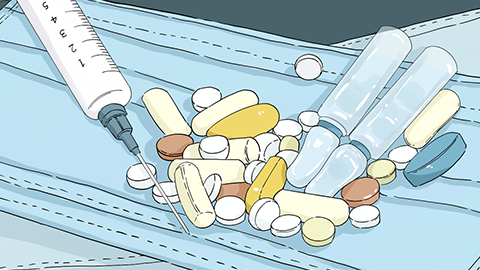
Patients should focus on dietary regulation: daily meals should emphasize easily digestible foods, along with increased intake of vegetables and fruits. We hope this information proves helpful to you.




