Differences Between Bacterial and Viral Parotitis
Aug 22, 2022
Source: Cainiu Health

Dr. Jiang Weimin
Introduction
The distinction between viral and bacterial parotitis lies in their causative pathogens and transmissibility. Viral parotitis is caused by a viral infection and is highly contagious, whereas bacterial parotitis results from a bacterial infection and is typically non-contagious. If a complete blood count (CBC) reveals neutrophilia or leukocytosis, bacterial parotitis becomes more likely.
Nowadays, frequent late-night work and study have exerted significant adverse effects on people’s health, weakening their immune systems and disrupting both endocrine and exocrine functions. One common resulting condition is parotitis. So, what are the differences between bacterial and viral parotitis?
Differences Between Bacterial and Viral Parotitis
The primary distinctions between viral and bacterial parotitis lie in their causative pathogens and transmissibility. Viral parotitis is caused by a virus and is highly contagious; bacterial parotitis results from bacterial infection and is generally non-contagious. If a complete blood count (CBC) reveals elevated neutrophil or white blood cell (WBC) counts, bacterial parotitis is more likely. In contrast, viral infection may cause neutropenia, but WBC counts typically remain normal or only slightly elevated.
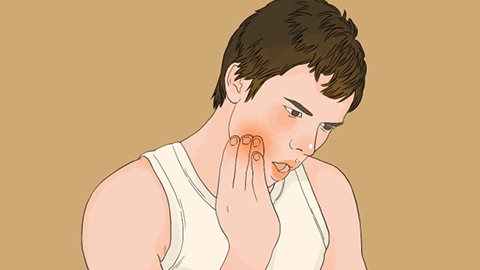
Symptoms also differ between viral and bacterial parotitis. Facial swelling with purulent discharge, erythema, and signs of infection—along with relatively poor general condition—are commonly associated with bacterial parotitis. Viral parotitis usually presents with localized tenderness and mild erythema only; patients often feel significantly better once fever subsides. Individuals with parotitis should avoid acidic foods, as these stimulate salivary secretion and exacerbate pain. Spicy, greasy, sweet, and hard-to-chew foods should also be avoided. Additionally, maintaining healthy lifestyle and dietary habits is essential.
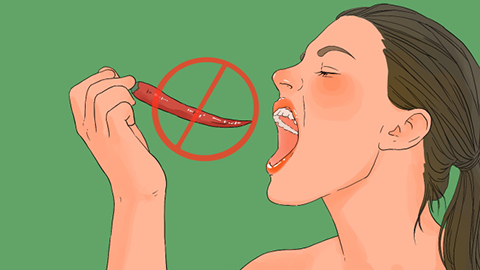
Patients are advised to drink plenty of water, consume easily digestible foods, avoid irritants, and prioritize light, bland meals. We hope this information proves helpful.