


How is mumps transmitted?
Sep 13, 2022
Source: Cainiu Health

Dr. Jiang Weimin
Introduction
Mumps is mainly transmitted through respiratory droplets and direct contact, so it can spread to others. It is recommended that patients with mumps be isolated and treated. Some patients may also experience general malaise. Isolation and treatment of mumps patients are necessary to prevent the spread of infection. Antiviral therapy is usually administered, involving the use of antiviral medications. Bacterial parotitis is not contagious.
Mumps is primarily caused by infection with the mumps virus, which invades the parotid gland tissue and leads to swelling of the salivary glands. How is mumps transmitted?
How Is Mumps Transmitted?
Mumps mainly spreads through respiratory droplets and direct contact, making it transmissible to others. Therefore, patients with mumps should be isolated and treated. Some individuals may also experience general malaise. Isolation and treatment are recommended for mumps patients to prevent spreading the disease. Antiviral therapy is commonly used, so antiviral medications are typically prescribed. Bacterial parotitis is not contagious; however, viral mumps is highly infectious and can spread through saliva and airborne droplets, making proper isolation essential. Mumps is indeed contagious.
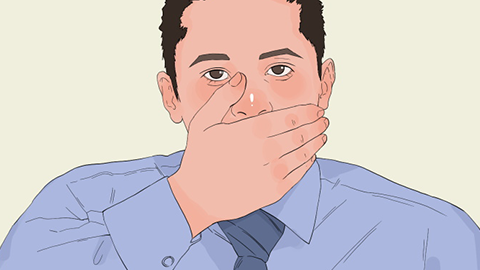
Mumps spreads via respiratory droplets and commonly occurs in children and adolescents. Most patients develop swelling and pain in the parotid glands 1–2 days after the onset of fever, usually starting on one side and gradually spreading to the other. Some patients may also experience symptoms such as headache, nausea, vomiting, and abdominal pain.
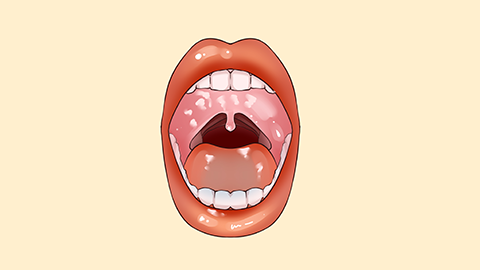
At this stage, potential complications should be carefully monitored. Patients without complications can be appropriately managed with antiviral medications and symptomatic treatment. However, hospitalization may be required if complications arise. We hope this article has been helpful to you. Wishing you good health and a happy life.




