


Early symptoms of mumps
Aug 24, 2022
Source: Cainiu Health

Dr. Jiang Weimin
Introduction
Symptoms of bacterial parotitis include fever, localized redness, swelling, tenderness, and pain in the parotid gland. Salivary secretion from the mouth decreases, and in severe cases, purulent saliva may be present. A complete blood count typically reveals leukocytosis. Viral parotitis commonly affects children and adolescents; mumps virus–induced parotitis is an acute respiratory infectious disease. Epidemic parotitis is commonly referred to as “mumps.”
Mumps is a common infectious disease characterized by high transmissibility and significant discomfort for affected individuals. Prompt isolation and treatment are essential to prevent further disease progression. What, then, are the early symptoms of mumps?
Early Symptoms of Mumps
Bacterial parotitis manifests as fever of the parotid gland, localized redness, swelling, warmth, and pain. Salivary secretion from the mouth decreases, and in severe cases, pus may be present in the saliva. A routine blood test typically reveals an elevated white blood cell count. Viral parotitis commonly affects children and adolescents; mumps virus–induced parotitis is an acute respiratory infectious disease. Epidemic mumps—commonly referred to simply as “mumps”—is generally a benign, self-limiting condition. Its primary clinical features include parotid gland swelling and tenderness, fever, difficulty eating, and worsening pain.
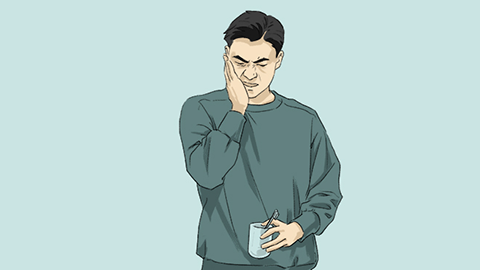
Patients with mumps require timely treatment. They should consume ample fresh vegetables and fruits to supplement vitamins and drink plenty of warm water. Adequate rest is crucial; patients should avoid overexertion, staying up late, emotional agitation, and excessive stress—all of which may exacerbate mumps symptoms. During the acute phase, patients often develop fever or high-grade fever, necessitating close monitoring of body temperature changes.

If the patient’s condition is severe, prompt medical evaluation and treatment at a hospital are essential to avoid delays that could compromise outcomes. We hope this information proves helpful.




