


How is epididymitis best treated?
Aug 24, 2022
Source: Cainiu Health

Dr. Li Mingchuan
Introduction
Empiric antimicrobial therapy should typically cover both Gram-positive and Gram-negative bacilli, as most cases involve mixed infections. Further evaluation is necessary to rule out acute bacterial endocarditis before diagnosing epididymitis. In acute epididymitis, the epididymis is typically non-nodular; however, the most severe (i.e., “sharpest”) form of epididymitis is often due to a mixed infection secondary to chronic penile inflammation or tuberculous epididymitis. If nodules persist after standard treatment, anti-tuberculosis therapy should be initiated.
In modern life, an increasing number of male health conditions have become highly prevalent—epididymitis being one such common condition. So, what is the optimal treatment for epididymitis?
What Is the Optimal Treatment for Epididymitis?
Acute epididymitis requires antimicrobial therapy targeting both Gram-positive and Gram-negative bacteria, as most cases involve mixed infections. Prior to initiating treatment, further diagnostic evaluation is essential to rule out acute epididymo-orchitis. In typical acute epididymitis, no nodules are present in the epididymis. However, the most severe form—chronic epididymitis—often results from a mixed infection secondary to tuberculous epididymitis or chronic penile inflammation. If nodules persist following standard antimicrobial therapy, anti-tuberculosis treatment becomes necessary.
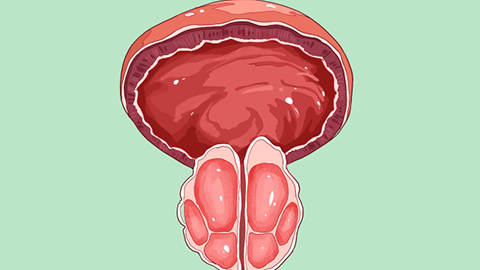
Chronic epididymitis can be identified based on characteristic pathological changes. If a solitary, well-defined nodule is present without other suspicious features, observation alone may be appropriate. However, if the nodule is irregular or complex in appearance, tuberculosis should be strongly suspected—particularly in endemic areas—and standardized anti-tuberculosis therapy (lasting 6–9 months, sometimes up to 12 months) should be initiated. Should the nodule persist despite adequate anti-tuberculosis treatment, surgical excision of the epididymis (epididymectomy) is recommended. The resected specimen must undergo histopathological examination. Moreover, if pulmonary tuberculosis is suspected, patients must receive routine anti-tuberculosis therapy for at least six months prior to surgery.
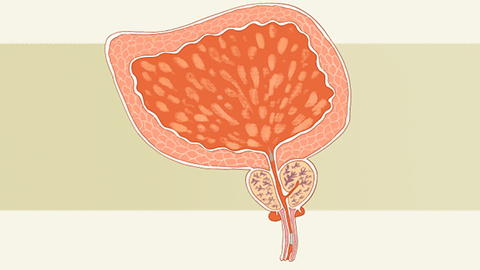
Maintaining good genital hygiene and adopting healthy daily habits are crucial for preserving male reproductive health. We hope this information proves helpful to you!







