


Why is my period absent despite not being pregnant?
Aug 24, 2022
Source: Cainiu Health

Dr. Lv Aiming
Introduction
There are four primary causes of amenorrhea (absence of menstruation). First is hypothalamic amenorrhea, which may result from recent significant emotional stress, excessive physical fatigue, substantial life pressure, extreme weight loss due to over-dieting, or intense physical exercise. Second is pituitary-related amenorrhea, such as that caused by Sheehan’s syndrome or pituitary tumors. Patients experiencing any concerning symptoms should seek medical attention promptly.
In daily life, menstrual delay occasionally occurs. So why does menstruation fail to occur when pregnancy is ruled out?
Why Does Menstruation Fail to Occur in the Absence of Pregnancy?
There are four primary causes of amenorrhea (absence of menstruation):
First, hypothalamic causes: Recent significant emotional stress, excessive fatigue, high life pressure, extreme weight loss due to over-dieting, or intense physical exercise may all lead to hypothalamic amenorrhea.
Second, pituitary causes: Conditions such as Sheehan’s syndrome or pituitary tumors can disrupt normal pituitary function and result in amenorrhea.
Third, ovarian causes: These include diminished ovarian reserve, polycystic ovary syndrome (PCOS), or estrogen-secreting ovarian tumors.
Fourth, uterine causes: The most common is Asherman’s syndrome—often resulting from endometrial damage following procedures such as induced abortion or dilation and curettage (D&C)—which leads to intrauterine adhesions and subsequent amenorrhea. A definitive diagnosis requires appropriate clinical evaluation and testing.

Before menstruation begins, maintain a positive mood and avoid excessive anxiety. Also ensure adequate warmth to prevent colds, as upper respiratory infections may exacerbate dysmenorrhea. Avoid raw, cold, hard, spicy, or otherwise irritating foods. Opt for a light, balanced diet and abstain from alcohol. Additionally, avoid staying up late, as sleep deprivation may contribute to menstrual irregularities. During menstruation, avoid bathing in cold water or sitting for prolonged periods.
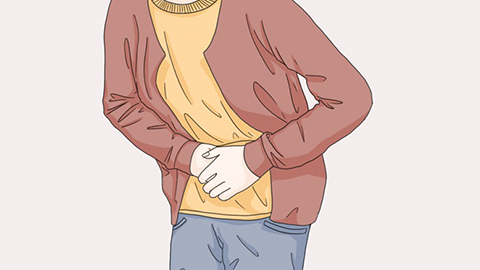
Moreover, sexual intercourse should be avoided during this time to reduce the risk of gynecological infection. The above health information is for general reference only. Should any discomfort or abnormal symptoms arise, consult a healthcare professional promptly.
Hope this response proves helpful. Wishing you a joyful life and optimal health!





