


How to Counsel Someone with Depression
Aug 24, 2022
Source: Cainiu Health

Dr. Shang Luning
Introduction
In general, when counseling patients with depression, the first step is to establish a good rapport with the patient and gain their trust, support, and cooperation. Next, clinicians may encourage and guide the patient to express and vent negative emotions—even encouraging cathartic crying—while ensuring the patient’s safety and well-being, and carefully monitoring the duration and frequency of such emotional release. If the depressed patient brings up unpleasant experiences or difficulties,
Depression is a mental health disorder characterized by impaired cognitive function, persistent rumination, and an inability to break free from negative thought patterns.
Mild depression often does not require pharmacological treatment; instead, consistent emotional support and guidance from family members and peers may suffice. So, how should one provide psychological support to individuals with depression?
How to Provide Psychological Support for Depression
In general, supporting someone with depression begins with establishing a trusting, empathetic, and collaborative relationship. Encourage the individual to express and release negative emotions—this may even include encouraging crying or venting—while ensuring their physical safety and emotional well-being. Pay attention to the duration and frequency of such emotional releases. If the person brings up distressing experiences or difficulties, help them analyze and understand these issues step-by-step, identifying any pessimistic or distorted thoughts they hold about these challenges. For individuals with a psychological foundation, deeper exploration of unconscious processes may also be beneficial, helping uncover immature or maladaptive coping mechanisms.
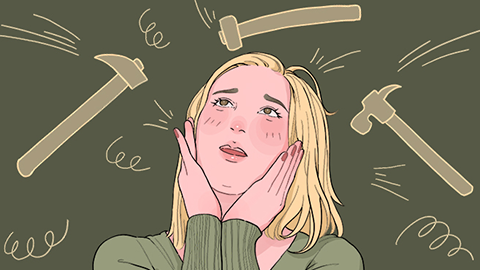
Depression has a measurable recovery rate: many cases can achieve full remission with appropriate, consistent treatment. However, depression also carries a high risk of relapse, influenced by multiple factors. For example, patients may discontinue medication prematurely; life stressors—such as repeated adverse events—may persist; personality traits like chronic pessimism or emotional vulnerability may predispose individuals to recurrence; and insufficient psychological resilience may further increase susceptibility. These factors collectively contribute to the elevated relapse rate. Specific medication regimens and therapeutic interventions should always follow personalized, face-to-face clinical guidance from a qualified healthcare provider.
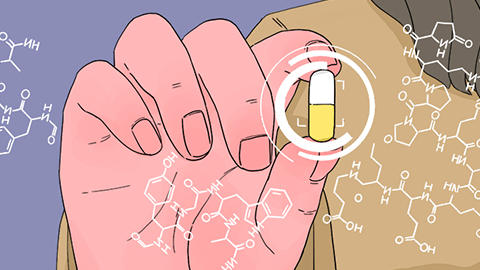
We recommend that patients cultivate healthy lifestyle habits and maintain regular social interaction. We hope this information proves helpful.





