


Symptoms and Treatment of Chronic Parotitis
Aug 24, 2022
Source: Cainiu Health

Dr. Zhang Liwen
Introduction
Chronic parotitis may present with symptoms such as parotid pain, fever, and headache. Most patients experience unilateral parotitis, while only a minority develop bilateral involvement; early symptoms are often subtle. Some patients may notice mild parotid pain, swelling, or tenderness, commonly accompanied by erythema, warmth, and tenderness of the overlying skin. Following disease onset, patients frequently develop systemic symptoms including fever and headache.
Regarding mumps, most adults have likely heard of it. While the majority of cases occur following an upper respiratory tract infection (common cold), untreated pharyngeal infections may also lead to mumps. Additionally, mumps can be triggered by underlying immune disorders. Even if mumps recurs frequently, individuals should thoroughly understand its symptoms to ensure prompt treatment upon onset. So, what are the symptoms and treatment options for chronic parotitis?
Symptoms and Treatment of Chronic Parotitis
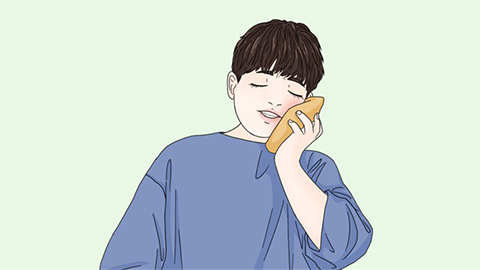
Chronic parotitis typically presents with symptoms such as parotid gland pain, fever, and headache. Most patients experience unilateral involvement, while only a minority develop bilateral parotitis. Early symptoms are often subtle. Some patients report mild pain, swelling, or tenderness in the parotid region; the overlying skin may appear erythematous, warm, and tender. Following disease onset, patients commonly develop systemic symptoms including fever, headache, and loss of appetite. Swelling of the parotid gland—centered around the earlobe—is usually evident and may elicit mild tenderness upon palpation. Symptoms often worsen during chewing or after consuming acidic foods, accompanied by localized skin warmth and tension.

If the condition is relatively mild, conservative (general) management is recommended. In cases of acute suppurative parotitis, pharmacological therapy should be prioritized during early treatment. Stimulating salivary secretion—through methods such as sialogogues or adequate hydration—is also essential to maintain normal salivary flow. However, if the illness persists beyond one week and progresses to suppuration, alternative therapeutic interventions should be considered.
Patients are advised to follow a bland, low-irritant diet—avoiding spicy, highly stimulating foods, alcohol, tobacco, and coffee. We hope this information proves helpful.




