


Traditional Chinese Medicine Treatment for Asthma
Aug 24, 2022
Source: Cainiu Health

Dr. Guo Xiheng
Introduction
Traditional Chinese medicine (TCM) is also highly effective in treating asthma, as it not only alleviates symptoms but also fundamentally improves the patient’s constitution and modifies the internal environment that contributes to disease development. TCM treatment of asthma primarily involves two approaches: internal therapy and external therapy. Internal therapy typically entails prescribing herbal formulas for oral administration—often including herbs that warm the yang and tonify qi. External therapies include acupoint plaster application, moxibustion, gua sha (scraping), and cupping.
Many people suffer from asthma in daily life. When severe, it significantly impairs quality of life, hindering physical exercise and even mild physical activity. There are numerous treatment options for asthma, with medications being the most commonly used approach. So, what is the Traditional Chinese Medicine (TCM) approach to treating asthma?
TCM Treatment of Asthma
Traditional Chinese herbal medicine is also highly effective in treating asthma—not only alleviating symptoms but also fundamentally improving patients’ constitutional imbalances and modifying the internal environment that predisposes them to disease. TCM employs two primary therapeutic strategies for asthma: internal treatment and external treatment. Internal treatment involves prescribing customized herbal formulas, typically aimed at warming the yang and tonifying qi. External therapies include acupoint plaster application, moxibustion, gua sha (scraping), and cupping. Among these, acupoint plaster application is the most widely used method; the “Sanfu patch”—a seasonal topical herbal preparation applied during the hottest days of summer—has demonstrated excellent efficacy for asthma. Acupuncture can also help relieve asthma symptoms and strengthen treatment during the remission phase. Numerous scientific studies have confirmed its effectiveness, supporting the combined use of acupuncture and herbal medicine.
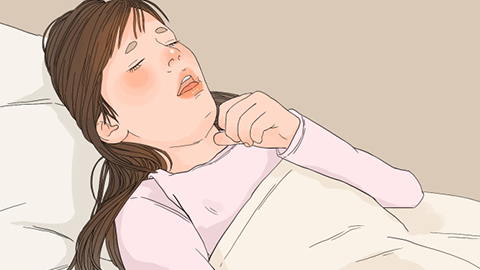
Asthma may be triggered by factors such as physical exertion or genetic predisposition. Children may experience transient asthma symptoms following vigorous exercise—a condition known as exercise-induced asthma. Patients with heavy or labored breathing are more susceptible to asthma attacks during intense physical activity. Maintaining appropriate temperature and humidity levels during exercise can help reduce the incidence of such episodes. Genetic factors also play a significant role: individuals with a family history of asthma exhibit a markedly increased risk of developing the condition.
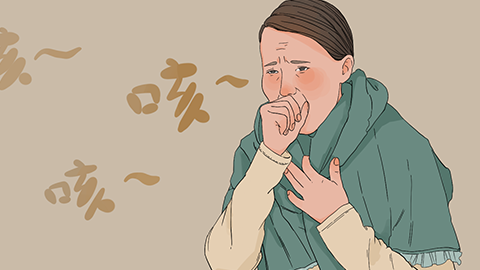
It is recommended to regularly consume foods with lung-clearing and phlegm-resolving properties, such as vegetables and fruits—including carrots and cabbage—as well as calcium-rich foods, which help enhance the respiratory tract’s resistance to allergens. We hope this information proves helpful to you.



