


How long does acute urticaria last?
Aug 24, 2022
Source: Cainiu Health

Dr. Liu Wan
Introduction
Acute urticaria can typically be cured within 3–7 days. Its hallmark features include multiple wheals and erythematous plaques accompanied by intense pruritus. For treatment, oral antihistamines—such as cetirizine, loratadine, or bilastine—are the first-line therapy; intravenous calcium gluconate may also be administered. In severe cases, intramuscular dexamethasone sodium phosphate may be given concurrently, particularly during the initial episode of urticaria.
Acute urticaria primarily arises from an allergic skin reaction triggered by exposure to certain allergens. Within a short time after onset, symptoms gradually appear, including pruritus (itching), erythema (redness), pain, erosion, ulceration, and exudation in the affected areas. Although the onset is rapid, timely intervention can effectively control the condition within an ideal range, allowing skin lesions to heal progressively. So, how long does it take for acute urticaria to resolve?
How Long Does Acute Urticaria Take to Resolve?
Acute urticaria typically resolves within 3–7 days. Its hallmark features include multiple wheals and erythematous plaques accompanied by intense pruritus. First-line treatment involves oral antihistamines—such as cetirizine, loratadine, or bilastine—and intravenous calcium gluconate may also be administered. In severe cases, intramuscular dexamethasone sodium phosphate may be added. For patients experiencing their first episode of urticaria, the aforementioned medications can be used briefly to achieve disease control, often resulting in prolonged remission without recurrence. A small proportion of patients may recover spontaneously without treatment.
If left untreated, acute urticaria may persist for up to six weeks and progress to chronic urticaria; thus, patients must take acute urticaria seriously. In addition to prompt treatment, maintaining regular daily routines and dietary moderation is essential. Patients should also actively identify and avoid potential triggers of urticaria.
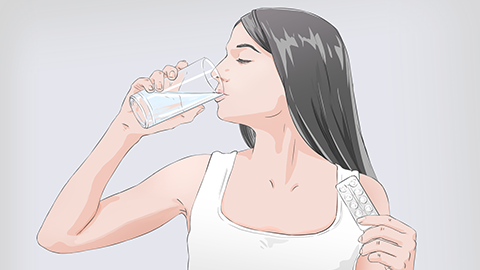
Patients are advised to proactively adopt effective therapeutic measures and pay closer attention to dietary hygiene to prevent unnecessary complications. We hope this information proves helpful to you.



