


How to Treat Infantile Eczema
Aug 24, 2022
Source: Cainiu Health

Dr. Xie Zixing
Introduction
The etiology of infantile eczema may be associated with a congenital allergic constitution. Prolonged exposure to adverse environmental conditions—such as excessive heat, cold, humidity, or dryness—can also irritate the skin and trigger eczema. Maternal dietary neglect or excessive protein intake may contribute to infantile eczema via breast milk. Random or inappropriate use of corticosteroid medications, as well as bacterial or viral infections, are also common contributing factors.
Many people encounter difficult-to-treat skin conditions in daily life. The pain and itching during flare-ups can be unbearable. Eczema is a common condition, yet many individuals may lack sufficient knowledge about it—leading to frequent misconceptions and errors in management. So, what exactly is infantile eczema?
Infantile Eczema
The causes of infantile eczema may be linked to an inherited allergic predisposition. Prolonged exposure to adverse environmental conditions—such as excessive heat, cold, humidity, or dryness—can also irritate the skin and trigger eczema. Maternal dietary habits—including inadequate attention to nutrition or excessive intake of high-protein foods—may contribute to infantile eczema via breast milk. Inappropriate or indiscriminate use of topical corticosteroids, as well as bacterial or viral infections, are also common contributing factors. Some infants develop eczema shortly after birth, representing early-onset atopic dermatitis.

The etiology of this condition is closely associated with genetic atopy; particularly, if either parent has a history of eczema or atopic constitution, the infant’s risk of developing eczema increases significantly. Due to infants’ relatively weak skin barrier function and limited adaptability to external environmental changes, fluctuations in temperature, humidity, and climate within their living environment constitute important triggers for eczema. Prolonged residence in excessively humid, dry, or hot environments—or frequent exposure to intense sunlight and cold, windy conditions—can readily precipitate infantile eczema.
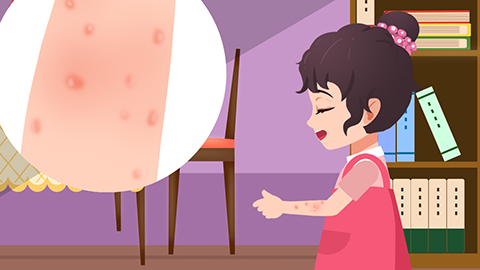
It is recommended to minimize skin irritation for the baby and carefully adjust environmental conditions and clothing choices. We hope this information proves helpful to you.





