


What is the difference between liver function tests and hepatitis B serological panel (hepatitis B two pairs and a half)?
Sep 13, 2022
Source: Cainiu Health

Dr. Zhao Haiming
Introduction
The difference between liver function tests and the "two pairs and a half" lies in the aspects they reflect. As the name suggests, liver function refers to the functional status of the liver, indicating whether there is inflammation in the liver and assessing its capacity for synthesis and metabolism. Key indicators include transaminases, alanine aminotransferase (ALT), bilirubin, etc. The "two pairs and a half" is a colloquial term for hepatitis B virus antigen-antibody markers, reflecting the body's immune response following infection with the hepatitis B virus.
Go to the hospital to test biochemical indicators that reflect changes in liver function. Bilirubin primarily reflects liver metabolism, transaminases mainly indicate the extent of liver cell damage, and albumin is an indicator of the liver's synthetic capacity. I would like to inquire about the difference between liver function tests and the "two pairs and a half" test for hepatitis B. What exactly is the difference between liver function tests and the hepatitis B "two pairs and a half"?
What is the difference between liver function tests and the hepatitis B "two pairs and a half"?
The difference between liver function tests and the "two pairs and a half" lies in what they indicate. Liver function, as the name suggests, refers to the functional status of the liver, reflecting whether there is inflammation, and assessing the liver’s ability to synthesize and metabolize substances. Key indicators include transaminases (such as ALT), bilirubin, and others. The "two pairs and a half" is a colloquial term for markers of hepatitis B virus antigens and antibodies, reflecting the body's immune response following infection with the hepatitis B virus. Its main components include five markers: surface antigen (HBsAg), surface antibody (anti-HBs), e-antigen (HBeAg), e-antibody (anti-HBe), and core antibody (anti-HBc).
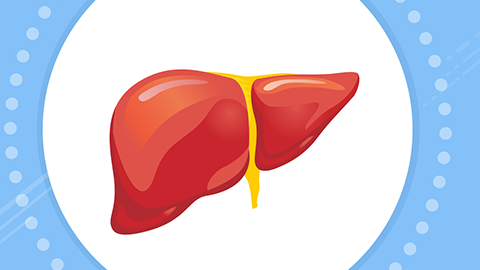
There is a causal relationship between liver function and the "two pairs and a half," but it is not purely causal. For example, abnormal liver function may result from abnormalities in the "two pairs and a half," but it can also be caused by other factors such as drug-induced or metabolic liver diseases. Additionally, individuals who are carriers of the hepatitis B virus may show abnormal "two pairs and a half" results while still having normal liver function.

Poor liver function may impair the digestive system, blood clotting function, and detoxification processes, leading to related complications such as nausea and vomiting. The underlying cause should typically be identified through tests such as ultrasound and complete blood count, followed by appropriate treatment. We hope this answer has been helpful to you. Wishing you good health and a happy life!



