


Benefits and Risks of Interventional Therapy for Liver Cancer
Dec 29, 2022
Source: Cainiu Health

Dr. Li Man
Introduction
Patients with liver cancer may choose interventional therapy, which has the benefit of delivering medication directly to the tumor site and effectively alleviating symptoms. However, the drawbacks include various toxic side effects such as pain, liver damage, nausea, and vomiting. Liver cancer is a very serious disease that threatens human health. Symptoms of early-stage liver cancer are non-specific, while those of intermediate and advanced stages are more common.
Cancer is a very frightening disease; no matter which organ is affected, it can severely impact normal health. What are the pros and cons of interventional therapy for liver cancer?
Pros and Cons of Interventional Therapy for Liver Cancer
Patients with liver cancer may choose interventional therapy. The benefit is that medication can be delivered directly to the tumor site, effectively relieving symptoms. However, the drawbacks include various toxic side effects such as pain, liver damage, nausea, and vomiting. It is recommended that patients follow the advice of qualified physicians when deciding on treatment.
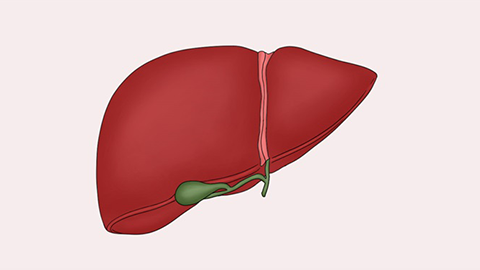
Liver cancer is a very serious disease threatening human health. Early-stage liver cancer often presents with non-specific symptoms, while symptoms become more apparent in intermediate and advanced stages. Common clinical manifestations include liver pain, abdominal distension, loss of appetite, fatigue, weight loss, progressive enlargement of the liver or an abdominal mass. Some patients may experience low-grade fever, jaundice, diarrhea, or upper gastrointestinal bleeding. In cases where the tumor ruptures, acute abdomen may occur.

There are many treatment options for liver cancer. Surgery remains the most effective approach, including liver resection and liver transplantation. Besides these two methods, other treatments include vascular intervention, microwave ablation, percutaneous ethanol injection, radiofrequency ablation, radiation therapy, biological therapy, targeted therapy, traditional Chinese medicine, and chemotherapy. For any disease, early detection and early treatment are crucial to achieving favorable outcomes. We hope this information is helpful to you. Wishing you good health and happiness.



