


Effective treatments for hypochondria
Dec 29, 2022
Source: Cainiu Health

Dr. Li Man
Introduction
To treat suspicion and paranoia, the first step is to build self-confidence. To overcome the bad habit of excessive suspicion, one must establish a strong sense of self-assurance. Many cases of paranoia stem from inferiority or lack of confidence; it is precisely this lack of confidence that leads to constant fear and doubt. Believe firmly that you can do it—you are capable, you can succeed. With such confidence, we can resolve our issues of low self-esteem, and at the very least, we will not doubt our own actions.
Paranoia is a relatively uncommon term in daily life, describing a state of anxiety and excessive suspicion, which contrasts sharply with the characteristics observed by about twenty percent of psychiatric specialists. So, what are effective treatments for paranoia?
Effective Treatments for Paranoia
The first step in treating paranoid tendencies is building self-confidence. To overcome this unhealthy habit, we must establish strong self-belief. Many cases of paranoia stem from low self-esteem or lack of confidence. Because we doubt ourselves, we become fearful of various things. Only when we believe in our abilities can we resolve issues of insecurity, ensuring that our actions do not invite suspicion. Secondly, rational thinking is essential. Excessive suspicion may arise because we are overly emotional, allowing emotions to dominate our minds and decisions. This is insufficient. We need to learn to arm our minds with wisdom. When encountering situations that trigger doubt, we should calmly identify key points and thoroughly examine the facts, using logical reasoning to clarify misunderstandings and eliminate baseless suspicions.

Severe "paranoia" is clinically referred to as delusions in psychiatry, such as delusions of persecution, jealousy, or reference. These are commonly seen in conditions like paranoid schizophrenia, delusional disorder, and depression. If suspicions about having heart disease reach the level of delusion, it's important to consult a mental health professional for a psychiatric evaluation to determine whether other psychiatric or mood symptoms are present. Based on the diagnosis, treatment may involve antipsychotic or antidepressant medications.
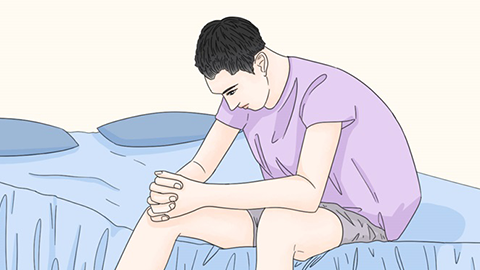
If paranoia has indeed reached the level of delusional thinking, it is crucial to seek a psychiatrist for a comprehensive mental health assessment. Treatment should then be determined based on the diagnosis, including whether antipsychotic or antidepressant medication is necessary. We hope this article has been helpful to you. Wishing you good health and happiness!








