


What level of jaundice index in infants is acceptable for receiving vaccinations?
Dec 29, 2022
Source: Cainiu Health

Dr. Jiang Weimin
Introduction
There is no clear guideline or standard regarding what level of jaundice bilirubin index in infants is acceptable for vaccination. Whether a child can receive vaccines is not related to the severity of jaundice. When newborn jaundice occurs, the key factor is the underlying cause of the jaundice. If the child has physiological jaundice or breast milk jaundice, immunization can proceed according to the normal vaccination schedule.
After birth, every newborn will have some degree of jaundice to varying extents. At what bilirubin level can a baby receive vaccinations?
At What Bilirubin Level Can a Baby Receive Vaccinations?
There is no clear guideline or standard specifying the exact bilirubin level at which a baby can receive vaccinations. Whether a child can be vaccinated is not related to the severity of jaundice—regardless of how high the bilirubin level is. When a newborn has jaundice, the key factor lies in the underlying cause of the jaundice. If the baby has physiological jaundice or breastfeeding-related jaundice, routine immunization can proceed as scheduled. In cases of either physiological or breastfeeding jaundice, the bilirubin level does not affect vaccination eligibility.
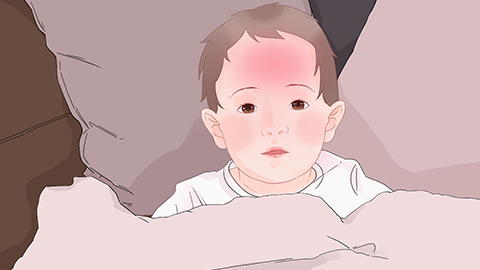
If a baby's bilirubin level is particularly high and the jaundice is not physiological, it may indicate pathological jaundice. For pathological jaundice, if the baby’s vital signs are stable and overall health condition is good, hepatitis B vaccination can still be administered normally without interference. However, for other vaccines, it is important to identify the specific cause of the pathological jaundice. If the underlying condition is relatively benign—such as hemolytic disease or cephalohematoma—vaccination can generally proceed as normal.
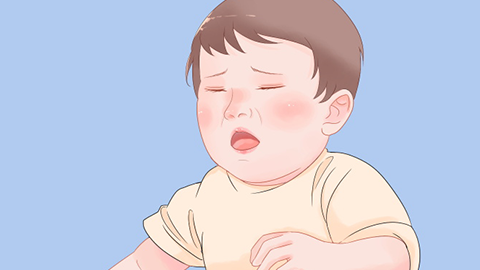
However, children whose pathological jaundice is caused by certain acute infections or viral illnesses may not be able to receive vaccines on schedule. Therefore, for babies with pathological jaundice, it is essential to consult a doctor to confirm the underlying cause before deciding on vaccination. In summary, when it comes to newborn jaundice, the determining factor for vaccination eligibility is not the severity or value of the bilirubin level, but rather the cause of the jaundice. We hope this answer has been helpful to you. Wishing you good health and happiness.




