


What does it mean if there is a protrusion in the duodenum, and what should be done?
Mar 30, 2024
Source: Cainiu Health

Dr. Shen Yonghua
Introduction
Duodenal protrusions may be caused by gastrointestinal gas accumulation, food irritation, infection, duodenal polyps, or duodenal cysts. Symptoms can be alleviated through daily care and medication. If physical discomfort occurs, prompt medical attention is recommended. In daily life, avoid spicy and irritating foods, maintain regular eating habits, and avoid prolonged fasting.
Protrusions in the duodenum may be caused by gastrointestinal gas accumulation, food irritation, infection, duodenal polyps, or duodenal cysts. These conditions can be alleviated through daily care, medication, surgery, and other treatments. If bodily discomfort occurs, it is recommended to seek medical attention promptly.
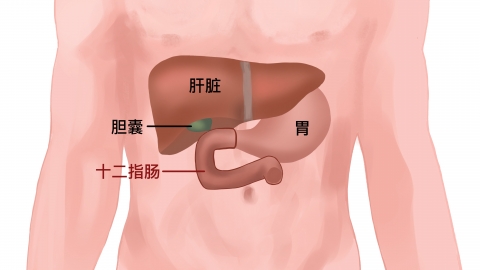
1. Gastrointestinal Gas Accumulation: Swallowing excessive air or excessive gas production from food fermentation in the intestines can lead to gas buildup in the duodenum, potentially causing localized bulging or protrusion. Pay attention to eating habits—avoid talking while eating or gulping food, which can cause excessive air intake. Reduce consumption of gas-producing foods such as beans, onions, and others.
2. Food Irritation: After consuming excessively cold, hot, spicy, or irritating foods, the duodenum may exhibit a stress response. Such foods can irritate the smooth muscle of the duodenum, causing temporary spasms and resulting in local protrusion. It is recommended to maintain healthy eating habits, avoid irritating foods, and choose mild, easily digestible foods such as millet porridge and soft noodles.
3. Infection: Duodenal infections are usually caused by bacterial infections, which may lead to inflammation and mucosal damage, thereby forming protrusions. Patients can take anti-infective medications such as clindamycin hydrochloride capsules, cefadroxil tablets, or roxithromycin dispersible tablets under medical guidance. Meanwhile, maintaining adequate fluid intake helps eliminate toxins from the body.
4. Duodenal Polyps: Duodenal polyps are growths that protrude from the mucosal surface of the duodenum, often associated with genetic factors or chronic inflammation. They may cause duodenal protrusion accompanied by symptoms such as nausea and abdominal pain. Under a doctor's guidance, patients may use medications such as amoxicillin capsules, cefixime capsules, or azithromycin tablets for treatment.
5. Duodenal Cysts: These are typically caused by long-term stimulation from chronic inflammation, leading to submucosal elevations in the duodenum, along with discomforts such as abdominal pain and bloating. It is recommended to undergo cyst excision surgery under medical guidance to remove the affected tissue, which aids recovery.
In daily life, avoid spicy and irritating foods, maintain regular eating habits, and avoid prolonged fasting. Ensure sufficient fluid intake to support normal gastrointestinal function, and engage in moderate exercise to promote intestinal motility and maintain gut health.





