


Coughing, feeling feverish all over, but being sensitive to cold—what could be causing this and what should I do?
Apr 29, 2024
Source: Cainiu Health

Dr. Yang Ziqi
Introduction
Coughing, general body heat, and feeling cold may be caused by physiological factors such as impaired body temperature regulation or excessive physical exertion, or pathological conditions such as viral colds, bronchitis, and pneumonia. It is recommended to seek medical attention promptly, identify the underlying cause, and receive symptomatic treatment under the guidance of a qualified physician. Patients are advised to keep warm, drink plenty of warm water, and avoid staying up late.
Coughing with body heat but feeling cold may be caused by factors such as impaired temperature regulation, excessive physical activity, viral colds, bronchitis, pneumonia, and other conditions. It is recommended to seek medical attention promptly, identify the underlying cause, and receive symptomatic treatment under the guidance of a healthcare professional. Specific analyses are as follows:
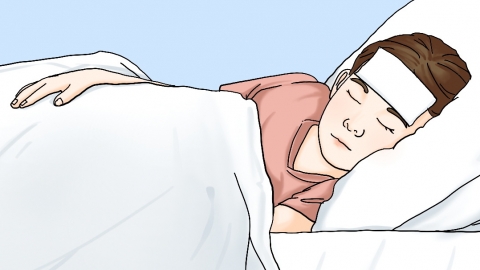
1. Impaired Temperature Regulation: In cold environments, the body activates defense mechanisms to maintain core temperature, which may lead to a sensation of body heat while still feeling cold. Additionally, if the respiratory tract is irritated, coughing may occur. It is advised to adjust clothing appropriately, keep indoor spaces warm, and avoid prolonged exposure to cold environments.
2. Excessive Physical Activity: Intense exercise can generate excessive body heat, causing a sensation of generalized warmth. At the same time, excessive sweating may disrupt the body's thermoregulatory balance, leading to chills. Overexertion may also irritate the respiratory tract and trigger coughing. It is recommended to moderate exercise intensity and duration to prevent overexertion. Timely rehydration and energy replenishment after exercise can help alleviate discomfort.
3. Viral Cold: This may result from infection with pathogens such as influenza virus or adenovirus. The illness can disrupt the function of the body's temperature regulation center, causing the aforementioned symptoms. Additionally, the virus may irritate the respiratory mucosa, leading to coughing. Patients are advised to take medications such as Lianhua Qingwen Capsules, Ganmao Ling Granules, or Oseltamivir Phosphate Capsules as directed by a physician.
4. Bronchitis: This condition may be associated with factors such as pollen exposure or weakened immunity. Infection or inflammation of the bronchi can easily cause coughing. Furthermore, localized inflammation may affect the body's temperature regulation center, resulting in body heat accompanied by chills. Patients should follow medical advice and use medications such as Azithromycin Tablets, Cefaclor Tablets, or Cefadroxil Capsules for treatment.
5. Pneumonia: This is generally caused by long-term smoking, low immunity, and similar factors. Lung infection often leads to coughing and may disrupt the body’s temperature regulation system, causing fever and chills. Patients are advised to take medications such as Cefalexin and Trimethoprim Tablets, Ribavirin Tablets, or Acyclovir Tablets under a doctor’s supervision to improve symptoms.
In daily life, patients are encouraged to maintain warmth, drink plenty of warm water, avoid staying up late, and consume fresh vegetables such as cucumber, Chinese cabbage, and lettuce, which may support recovery.





