


Fever with continuous flatulence but no bowel movement—what could be the cause, and what should I do?
Apr 29, 2024
Source: Cainiu Health

Dr. Yang Ziqi
Introduction
Not defecating may refer to constipation, and fever means elevated body temperature. Passing gas continuously while experiencing fever and inability to defecate could be caused by improper diet, poor lifestyle habits, indigestion, functional gastrointestinal disorders, gastroenteritis, or other pathological conditions. Treatment may include adjusting dietary patterns, improving lifestyle habits, and using medications. It is recommended that patients drink plenty of warm water and maintain good local hygiene.
Not passing stool may refer to constipation, and fever refers to elevated body temperature. Passing gas frequently while being unable to defecate, along with fever, may be caused by improper diet, poor lifestyle habits, indigestion, functional gastrointestinal disorders, or gastroenteritis. These conditions can be managed through dietary adjustments, improving lifestyle habits, and medication. It is recommended to seek medical attention promptly, identify the underlying cause, and receive symptomatic treatment under the guidance of a qualified physician. Specific analyses are as follows:
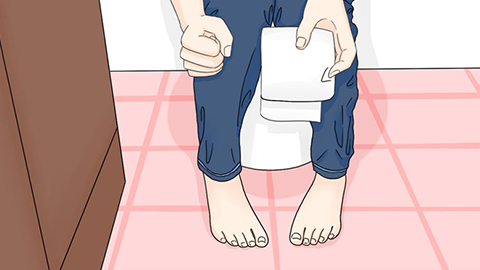
1. Improper Diet: Consuming excessive oily or spicy foods—such as hot pot or spicy hot pot—may increase the burden on the gastrointestinal tract, causing food to remain in the intestines for prolonged periods. This can lead to increased gas production and interfere with normal bowel movements, potentially resulting in fever in severe cases. It is recommended to adjust the diet by increasing intake of fiber-rich foods such as vegetables and fruits (e.g., bok choy, lettuce, apples), which help promote intestinal motility and facilitate defecation.
2. Poor Lifestyle Habits: Long-term sleep deprivation and lack of physical activity may impair overall bodily functions, thereby affecting normal gastrointestinal function, leading to symptoms such as increased flatulence, difficulty defecating, and fever. It is advised to improve lifestyle habits by ensuring adequate sleep and engaging in regular physical activity, such as walking or jogging, for at least 30 minutes daily, which can help alleviate these discomforts.
3. Indigestion: This may result from reduced secretion of digestive enzymes or decreased gastrointestinal motility. As a consequence, food may not be fully digested and absorbed in the gastrointestinal tract, remaining in the intestines and producing excessive gas, leading to constipation. Indigestion may also trigger fever. Patients are advised to follow medical advice and take medications such as Jianwei Xiaoshi Tablets, Simo Tang Oral Liquid, or Domperidone Tablets.
4. Functional Gastrointestinal Disorders: These may be related to pathogen infection or drug irritation. During fever, overall physiological functions may be affected to some extent, possibly causing gastrointestinal dysfunction, abnormal intestinal motility, fermentation of food in the intestines, excessive gas production, and impaired defecation. Patients should follow medical instructions and use medications such as Domperidone Tablets, Mosapride Citrate, or Itopride Hydrochloride Tablets.
5. Gastroenteritis: This may be associated with consumption of spoiled food or bacterial infection. Localized inflammation can easily disrupt gastrointestinal motility, impair digestion and absorption of food, produce excessive gas, and cause difficulty in defecation. Additionally, inflammation may disrupt the function of the body's temperature regulation center, leading to fever. Patients are advised to take medications such as Ciprofloxacin Hydrochloride Capsules, Bismuth Potassium Citrate Tablets, or Changyanning Granules under a doctor’s supervision.
In daily life, patients are encouraged to drink plenty of warm water, maintain good personal hygiene, adopt a positive and optimistic mindset, and spend time outdoors, all of which may benefit recovery.






