


Can you eat人参果 (ginseng fruit) during your menstrual period, and why?
Nov 19, 2024
Source: Cainiu Health

Dr. Zhang Lu
Introduction
Generally speaking, ginseng fruit is a nutrient-rich fruit that contains various amino acids, proteins, vitamins, and trace elements. It has multiple health benefits, such as strengthening the heart, tonifying the kidneys, promoting saliva production to quench thirst, regulating menstruation, and improving blood circulation. Whether women can eat ginseng fruit during their menstrual period mainly depends on their body constitution. Those with damp-heat or balanced constitutions can usually consume it, while those with cold-deficient constitutions are generally advised against it.
Generally speaking, the menstrual period refers to the time when menstruation occurs. Whether women can eat人参果 (ginseng fruit) during their menstrual period mainly depends on their individual body constitution. Those with a damp-heat or balanced constitution can usually consume ginseng fruit during menstruation; however, those with a cold-deficient constitution are generally advised against it. The detailed explanation is as follows:
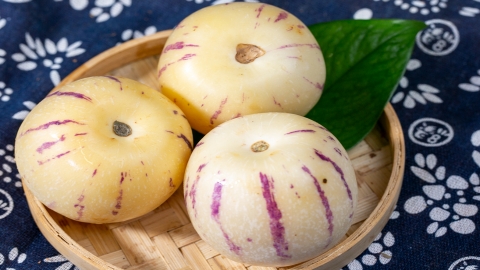
Ginseng fruit is a nutrient-rich fruit containing various amino acids, proteins, vitamins, and trace elements. It has multiple health benefits, including strengthening the heart and kidneys, promoting saliva secretion to quench thirst, toning the spleen and stomach, and regulating menstruation and blood circulation. Women with a damp-heat constitution often have excessive internal dampness and may experience symptoms such as fatigue, thirst, and dry throat. Ginseng fruit, with its effects of promoting fluid production, relieving thirst, strengthening the spleen, and improving blood flow, can help alleviate these discomforts and may also improve menstrual irregularities. In addition, women with a balanced constitution are relatively healthy and typically do not experience significant adverse reactions from eating ginseng fruit during their menstrual period.
Women with a cold-deficient constitution often show signs of insufficient yang energy, such as sensitivity to cold, cold hands and feet, fatigue, and weakness. Since ginseng fruit is considered cold in nature, it is generally not recommended for women with this constitution to consume it during menstruation, as it may worsen menstrual cramps or lead to poor menstrual flow.
Individual constitutions and reactions vary. If any discomfort or worsening of symptoms occurs after consuming ginseng fruit, intake should be stopped immediately and medical advice sought.





