What to do if stung by a bee: reducing swelling and relieving pain
Dec 21, 2024
Source: Cainiu Health

Dr. Liu Wenmin
Introduction
If stung by a bee, you can take measures such as removing the stinger, rinsing the wound, applying a cold compress, applying medication topically, and taking oral medications to reduce swelling and relieve pain. If any abnormalities occur, prompt medical attention is recommended. When going outdoors, protective measures should be taken, such as wearing long-sleeved clothing and securing the cuffs to prevent bites from insects and bees. Additionally, closely monitor any changes in symptoms, and seek immediate medical attention if a severe allergic reaction occurs.
After being stung by a bee, you can take measures such as removing the stinger, washing the wound, applying a cold compress, applying topical medications, and taking oral medications to reduce swelling and relieve pain. If any abnormalities occur, it is recommended to seek medical attention promptly. Detailed steps are as follows:
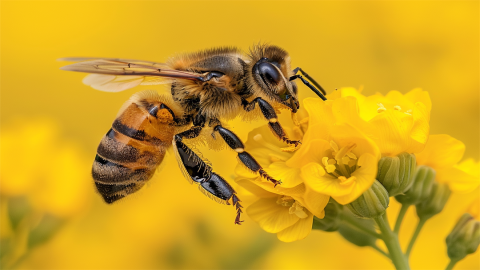
1. Remove the stinger: After being stung by a bee, use tweezers or another tool to carefully and horizontally remove the stinger left on the skin as soon as possible. Avoid squeezing the stinger, as this may inject more venom into the skin.
2. Wash the wound: Promptly wash the wound with alkaline soap water to neutralize the acidic components in the bee venom, which can help reduce swelling and pain.
3. Apply a cold compress: Place an ice pack or cold towel on the sting site to lower the local temperature, constrict blood vessels, reduce toxin absorption, and alleviate pain and swelling.
4. Apply topical medications: As directed by a physician, apply topical ointments such as hydrocortisone cream, dexamethasone acetate cream, or erythromycin ointment, which have anti-inflammatory and pain-relieving effects, to help reduce the inflammatory response and swelling.
5. Take oral medications: If symptoms of pain and swelling are severe, you may also take oral medications such as cetirizine hydrochloride tablets, loratadine tablets, or ibuprofen sustained-release tablets to relieve symptoms. Oral medications should be taken under a doctor's guidance to avoid self-medication and misuse.
When going outdoors, take precautions such as wearing long-sleeved clothing and keeping the cuffs snug to prevent bites from insects, bees, and mosquitoes.