


How to manage diaper rash in infants
Dec 21, 2024
Source: Cainiu Health

Dr. Zhou Xiaofeng
Introduction
Infants who wear diapers for extended periods without timely changes may develop perianal skin that remains moist for long durations. This environment is conducive to bacterial growth, which can irritate the skin and lead to eczema. Choose breathable diapers and change them regularly to avoid prolonged exposure to damp conditions. Clean the perianal area with warm water and gently pat dry; avoid rubbing with coarse towels.
Generally, infant perianal eczema may be caused by local moisture and irritation, genetic factors, diaper allergy, indigestion, or immunologic abnormality-related perianal eczema. General treatments and drug therapies can be used to improve the condition. Prompt medical consultation is recommended, and treatment should follow medical advice. Details are as follows:
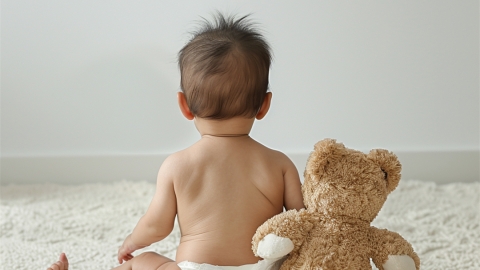
1. Local Moisture and Irritation: Infants wearing diapers for extended periods without timely changes may develop persistently moist perianal skin, which creates an environment conducive to bacterial growth and skin irritation leading to eczema. Choose breathable diapers and change them regularly to avoid prolonged moisture. Clean the perianal area with warm water and gently pat dry; avoid rubbing with coarse towels.
2. Genetic Factors: Perianal eczema may be related to heredity. If either or both parents have eczema or an allergic constitution, the infant may have an increased risk of developing perianal eczema. Maintain clean and dry perianal skin, and avoid excessive cleaning or using harsh cleansing products.
3. Diaper Allergy: If infants are allergic to certain components in diapers, allergic skin reactions may occur, causing eczema and red patches. Antipruritic and antiallergic medications such as calamine lotion, cetirizine hydrochloride drops, or loratadine syrup may be used as directed by a physician.
4. Indigestion: Infantile indigestion may alter stool characteristics, such as loose or mucus-filled stools, which can irritate the perianal skin, causing eczema with itching. Digestive aids such as Xingpi Yang'er Granules, infantile health-spleen granules, or pediatric compound chicken gizzard powder may be used under medical guidance.
5. Immunologic Abnormality-Related Perianal Eczema: An immature or abnormal immune system in infants may lead to excessive immune reactions to certain substances, resulting in perianal eczema with papules. Medications such as zinc oxide ointment, hydrocortisone butyrate cream, or desonide cream may be prescribed by a physician to relieve itching and inflammation.
Parents should closely monitor the infant's skin condition, avoid excessive cleaning, and refrain from using harsh cleansing products.



