


How to quickly reduce swelling and itching after a bee sting
Dec 23, 2024
Source: Cainiu Health

Dr. Liu Wenmin
Introduction
Generally speaking, there is no such thing as the fastest way to reduce swelling and relieve itching from a bee sting. After being stung by a bee, measures such as removing the stinger, cleaning the wound, applying medication, and immobilizing the affected limb can help reduce swelling and pain. Immediately after a bee sting, one should check whether the stinger remains embedded in the skin. If a stinger is found, it should be carefully removed as soon as possible.
Generally speaking, there is no such thing as "the fastest way to reduce swelling and itching from a bee sting." After being stung by a bee, methods such as removing the stinger, cleaning the wound, applying medication, and immobilizing the affected limb can help reduce swelling and pain. Specific measures are as follows:
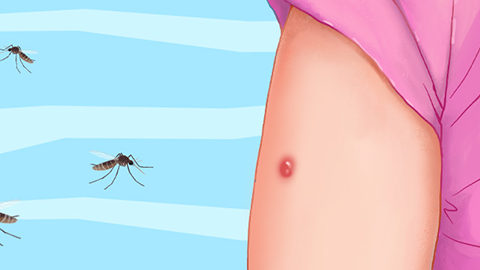
1. Remove the stinger: Immediately after being stung, check whether the stinger remains embedded in the skin. If a stinger is found, remove it as soon as possible carefully. A sterile needle, sterile syringe, or disinfected tweezers can be used for this purpose, while avoiding squeezing the wound to prevent further spread of the venom.
2. Clean the wound: Bee venom is acidic, so an alkaline solution can be used to neutralize it. For example, rinsing the wound with an alkaline solution such as clean water, soap water, or baking soda water may help reduce swelling and itching.
3. Apply cold compress: Wrap an ice pack or ice cubes in a towel and gently apply it to the affected area. Cold compresses can reduce vascular permeability, alleviate swelling and pain, and also help relieve itching. The duration of cold compress should not be too long; it can be applied intermittently for 5-10 minutes each time, with breaks in between.
4. Use medications: Under medical guidance, apply topical ointments with anti-inflammatory, anti-itching, and analgesic effects, such as calamine lotion, hydrocortisone butyrate cream, or halometasone cream. Apply evenly and moderately, avoiding excessive friction on the skin. Oral antiallergic medications such as loratadine tablets, chlorpheniramine maleate tablets, or mizolastine sustained-release tablets may also be taken under a doctor's instructions to relieve allergic symptoms.
5. Immobilize the affected limb: If the swelling and itching are severe, consider immobilizing the proximal end of the affected limb to slow the spread of the venom. However, the immobilization should not last longer than 2 hours, and should be released every 15 minutes to prevent ischemic necrosis. Avoid squeezing the wound during the immobilization process.
During the recovery period, keep the affected area clean to prevent infection, and avoid consuming spicy or irritating foods to prevent worsening of symptoms.



