Why does my tongue hurt and turn purple?
Dec 31, 2024
Source: Cainiu Health

Dr. Liu Chao
Introduction
In general, tongue pain and discoloration (appearing purplish) may be caused by improper diet, cold temperature stimulation, poor sleeping posture, tongue ulcers, glossitis, or other reasons. If discomfort occurs, prompt medical attention is recommended. Consuming large amounts of dark-colored foods, such as blueberries, purple sweet potatoes, mulberries, and similar items, may result in natural pigments adhering to the tongue. Additionally, certain foods might cause mild irritation to the tongue's surface.
In general, a painful and purplish tongue may be caused by improper diet, cold temperature stimulation, poor sleeping posture, tongue ulcers, glossitis, or other reasons. If discomfort occurs, timely medical consultation is recommended. Detailed analysis is as follows:
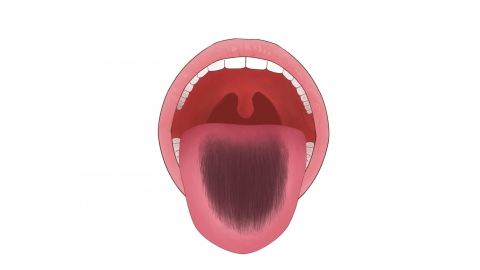
1. Improper Diet
Consuming large amounts of dark-colored foods, such as blueberries, purple sweet potatoes, mulberries, etc., may cause natural pigments to adhere to the tongue. Additionally, some foods may cause mild irritation to the tongue's surface. It is recommended to stop consuming these foods, drink more water, gently brush the tongue with a soft-bristled toothbrush, maintain oral hygiene, and avoid consuming excessively hot or spicy foods.
2. Cold Temperature Stimulation
Prolonged exposure to cold environments with the tongue exposed to low temperatures may cause local blood vessels to constrict and blood circulation to become impaired, possibly leading to color changes and pain in the tongue. It is recommended to leave the cold environment as soon as possible, rinse the mouth with warm water, hold warm water in the mouth to gradually relieve the cold condition of the tongue, and gently massage the tongue to promote blood circulation.
3. Poor Sleeping Posture
Prolonged pressure on the tongue during nighttime sleep may impair blood circulation, potentially causing localized congestion, pain, and purplish discoloration. Adjust sleeping posture to avoid pressing on the tongue; rinse the mouth with warm water after waking up, and gently clean the tongue using a tongue brush.
4. Tongue Ulcer
Bacterial or viral infections in the mouth, or physical injuries such as bites, may lead to tongue ulcers. When the ulcerated area is irritated, it usually causes pain and purplish discoloration. Patients may also experience symptoms such as redness, swelling, and bleeding of the ulcer. Patients can use medications such as compound chlorhexidine mouthwash, oral ulcer powder, metronidazole oral adhesive tablets, etc., as directed by a physician.
5. Glossitis
Deficiencies in nutrients such as B vitamins and zinc, or bacterial or fungal infections caused by poor oral hygiene, may trigger glossitis. Inflammation may cause tongue pain and the appearance of purple spots or patches, possibly accompanied by dry mouth, burning sensation, and other symptoms. Treatment may include medications such as compound ferrous sulfate granules, folic acid tablets, itraconazole capsules, etc., as directed by a physician.
In daily life, maintaining good oral hygiene, eating a balanced diet, avoiding excessive intake of irritating foods, ensuring sufficient sleep and moderate exercise, keeping warm, and preventing tongue injuries are recommended.