


Which indicators should be checked for abnormal liver function?
Jan 25, 2025
Source: Cainiu Health

Dr. Gao Jun
Introduction
Under normal circumstances, whether liver function is normal can be assessed by indicators such as alanine aminotransferase (ALT), aspartate aminotransferase (AST), bilirubin, albumin and globulin, alkaline phosphatase (ALP), gamma-glutamyl transferase (GGT), and prothrombin time. It should be noted that abnormalities in these indicators may suggest liver disease or dysfunction; however, an accurate diagnosis still requires comprehensive evaluation combining medical history, clinical symptoms, and other relevant information.
Generally, whether liver function is normal can be assessed by indicators such as alanine aminotransferase (ALT) and aspartate aminotransferase (AST), bilirubin, albumin and globulin, alkaline phosphatase (ALP), gamma-glutamyl transferase (GGT), and prothrombin time. Detailed explanations are as follows:
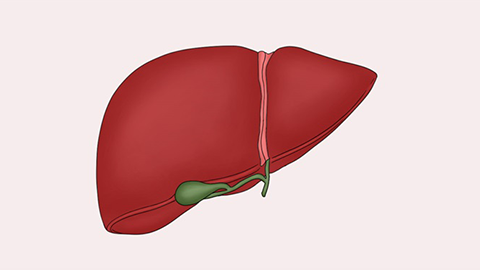
1. Alanine Aminotransferase (ALT) and Aspartate Aminotransferase (AST)
Alanine aminotransferase and aspartate aminotransferase are important indicators in liver function tests and are widely present in liver cells. When liver cells are damaged, these enzymes are released into the bloodstream, causing their levels to rise.
2. Bilirubin
Bilirubin includes total bilirubin, direct bilirubin, and indirect bilirubin. Abnormal bilirubin levels are commonly seen in patients with jaundice. Elevated direct bilirubin is usually associated with liver excretory function, while elevated indirect bilirubin may be related to red blood cell destruction.
3. Albumin and Globulin
Albumin is synthesized by the liver; decreased levels may indicate impaired liver synthetic function. Elevated globulin levels may be associated with immune responses in the liver. The ratio of albumin to globulin is also an important reference for assessing liver function.
4. Alkaline Phosphatase and Gamma-Glutamyl Transferase
These two enzymes are primarily used to evaluate the health of the biliary system. Elevated alkaline phosphatase may indicate biliary obstruction or liver disease, while elevated gamma-glutamyl transferase is more sensitive and is often used to confirm whether elevated alkaline phosphatase is related to the liver.
5. Prothrombin Time
The liver is the main site of synthesis of coagulation factors, and prothrombin time reflects the extrinsic coagulation pathway. When liver function is impaired, synthesis of coagulation factors decreases, leading to prolonged prothrombin time.
It should be noted that abnormalities in these indicators may suggest liver disease or dysfunction, but definitive diagnosis still requires a comprehensive evaluation combining medical history, clinical symptoms, and medical imaging. If liver dysfunction is suspected, timely medical consultation is recommended for detailed evaluation and diagnosis by a qualified physician.


