


Who should not eat brown rice?
Mar 03, 2025
Source: Cainiu Health

Dr. Yu Yongchao
Introduction
Under normal circumstances, individuals with weak gastrointestinal function, kidney disease patients, diabetes patients, anemic individuals, pregnant women, and lactating women should avoid eating brown rice. Brown rice has a relatively hard texture and is rich in dietary fiber, making it difficult to digest. Consuming brown rice may increase the gastrointestinal burden in individuals with weak digestive systems, potentially causing discomfort such as abdominal distension and pain.
Generally, individuals with weak gastrointestinal function, kidney disease patients, diabetes patients, anemic individuals, pregnant women, and lactating mothers should not consume brown rice. Details are as follows:
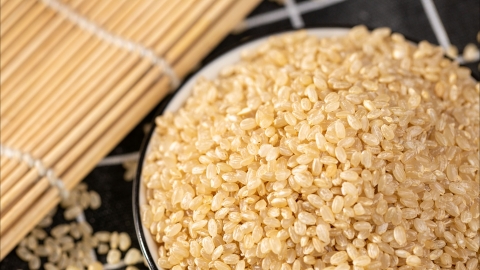
1. Individuals with Weak Gastrointestinal Function
Brown rice has a hard texture and is rich in dietary fiber, making it difficult to digest. Consumption by individuals with weak gastrointestinal function may increase the gastrointestinal burden, leading to discomfort symptoms such as bloating and abdominal pain.
2. Kidney Disease Patients
Brown rice contains relatively high levels of protein, potassium, phosphorus, and other components that require metabolism and excretion by the kidneys. Consuming brown rice may increase the burden on the kidneys for patients with kidney disease, potentially worsening their condition.
3. Diabetes Patients
Although brown rice has a relatively low glycemic index, it still contains high levels of carbohydrates, which can elevate blood sugar levels after consumption. Diabetic patients need to control their carbohydrate intake; therefore, they should consume brown rice cautiously.
4. Anemic Individuals
Oxalic acid in brown rice may interfere with iron absorption, and iron is an essential element for hemoglobin synthesis. Consumption of brown rice by anemic individuals might hinder iron absorption, which is unfavorable for improving anemia.
5. Pregnant and Lactating Women
Brown rice contains some anti-nutritional substances, such as phytic acid, excessive intake of which may affect the absorption and utilization of certain nutrients. Pregnant and lactating women require additional nutrients to support fetal and infant development; therefore, they should consume brown rice in moderation and adjust their dietary structure according to medical advice.
Healthy individuals should follow the principle of moderate consumption of brown rice to avoid excessive intake that may cause bodily discomfort.





