


The difference between brown rice and white rice
Mar 04, 2025
Source: Cainiu Health

Dr. Yu Yongchao
Introduction
Under normal circumstances, the differences between brown rice and white rice include appearance and color, texture and flavor, nutritional composition, calorie and carbohydrate content, and impact on blood sugar levels. Brown rice retains most of the outer husk, germ, and endosperm of the rice grain, resulting in a relatively darker color, a tan or brownish appearance, a coarser texture, and sometimes visible bran layers on its surface.
Under normal circumstances, the differences between brown rice and white rice include appearance and color, texture and flavor, nutritional content, calories and carbohydrates, and glycemic impact. The specific details are as follows:
1. Appearance and Color
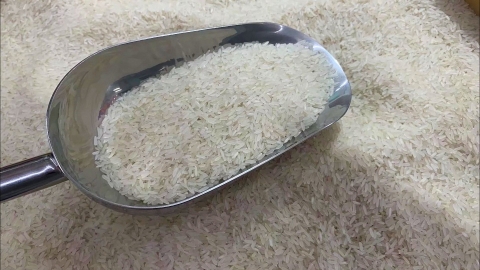
Brown rice retains most of the husk, germ, and bran of the rice grain, thus appearing darker with a brownish-yellow color. Its grains are relatively coarse, and the rice bran layer on the surface is sometimes visible. White rice has the husk, germ, and part of the bran removed during processing, resulting in a whiter color, finer grains, and a smooth surface.
2. Texture and Flavor
Brown rice has a coarser texture, is relatively harder, and has a chewier consistency. This is because the outer bran and germ layers of the brown rice are not removed, preserving the complete grain structure and providing a more substantial and chewy mouthfeel. White rice has a softer texture, is fine and smooth, and is easier to chew and swallow, making it suitable for most people's taste preferences and digestive habits.
3. Nutritional Content
Brown rice is rich in dietary fiber, vitamins, and minerals, which play important roles in human metabolism, nervous system function, and antioxidant activity. Although white rice also contains certain nutrients, most of its dietary fiber, vitamins, and minerals are lost during processing, resulting in relatively lower nutritional value.
4. Calories and Carbohydrates
Brown rice has relatively fewer calories and is rich in dietary fiber, which helps control blood sugar fluctuations and manage weight. Its carbohydrate content is also relatively lower, but the quality is better, as it contains more complex carbohydrates. White rice has higher calories and is rich in carbohydrates, making it one of the main sources of energy for the human body. However, excessive consumption may lead to weight gain and blood sugar fluctuations.
5. Glycemic Impact
Due to its high dietary fiber content, brown rice slows down the digestion rate in the gastrointestinal tract, helping to reduce the speed of blood sugar rise, making it suitable for people with diabetes or those needing to control blood sugar levels. Because the outer layers are removed, white rice is easily and quickly digested and absorbed, potentially causing a sharp increase in blood sugar levels. Individuals needing to manage blood sugar should consume it in moderation.
When choosing rice, one should appropriately combine it based on personal health needs and eating habits to achieve balanced and diverse nutrition.





