What are the early symptoms of liver disease?
Mar 12, 2025
Source: Cainiu Health

Dr. Gao Jun
Introduction
In general, early signs of liver disease may include fatigue, loss of appetite, pain in the liver area, jaundice, abdominal distension, and diarrhea. In daily life, it is important to maintain a healthy and balanced diet, consume more fresh vegetables and fruits, and obtain an appropriate amount of high-quality protein. It is also advisable to reduce intake of high-fat, high-sugar, and high-salt foods, and to avoid overeating in order to reduce the metabolic burden on the liver.
Generally, early-stage liver disease may present symptoms such as fatigue, decreased appetite, pain in the liver area, jaundice, abdominal distension, and diarrhea. Detailed explanations are as follows:
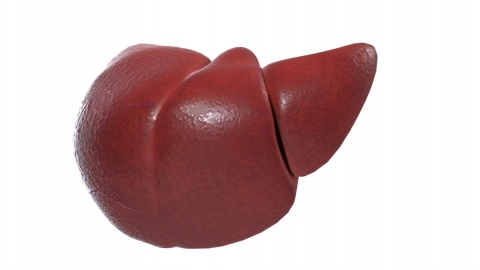
1. Fatigue
In the early stages of liver disease, impaired liver function may lead to abnormal metabolism of nutrients and insufficient energy production, failing to meet the body's normal needs. Patients often feel generally weak and tired, and this fatigue may persist even after sufficient rest.
2. Decreased Appetite
The liver secretes bile, which aids in the digestion of fatty foods. When liver function is compromised, bile secretion and excretion may be affected, leading to reduced appetite, aversion to greasy foods, decreased food intake, and possibly accompanied by nausea and vomiting.
3. Pain in the Liver Area
Inflammation or enlargement of the liver may stimulate nerves in the liver capsule, causing some patients to experience dull, aching, or throbbing pain in the liver area during the early stages, with varying degrees of severity.
4. Jaundice
The liver plays a crucial role in bilirubin metabolism. Liver disease may disrupt bilirubin metabolism, increasing bilirubin levels in the blood and resulting in jaundice. This manifests as yellowing of the skin and sclera, and darkened urine resembling strong tea.
5. Abdominal Distension and Diarrhea
Liver disease may impair the normal function of the digestive system, slowing gastrointestinal motility and prolonging food retention in the gastrointestinal tract, which can lead to gas accumulation, causing abdominal distension. At the same time, insufficient secretion of digestive fluids may affect digestion and absorption, leading to diarrhea, with loose stools and increased bowel movement frequency.
In daily life, maintaining a healthy and balanced diet is important. Consuming more fresh vegetables and fruits, moderately increasing intake of high-quality protein, and reducing consumption of high-fat, high-sugar, and high-salt foods can help alleviate the metabolic burden on the liver. Additionally, attention should be paid to food hygiene to avoid eating contaminated food and prevent infection with pathogens such as hepatitis viruses.