What causes teeth grinding in children?
Mar 20, 2025
Source: Cainiu Health

Dr. Zhou Xiaofeng
Introduction
During the tooth replacement phase, uneven tooth alignment, dental caries, or missing teeth may lead to an uncoordinated occlusal relationship, causing the child to grind teeth in an attempt to adjust the bite. Parents should schedule regular dental checkups for their child and address dental issues such as caries promptly. If tooth alignment abnormalities exist during the tooth replacement phase, orthodontic treatment can be considered after the permanent teeth have fully erupted, following a professional evaluation by a dentist.
Teeth grinding in children may be caused by factors such as mental stress, malocclusion, improper eating habits before bedtime, ascariasis, or vitamin D deficiency rickets. Management should be based on the specific situation. Parents should take the child to the hospital as soon as possible for examination to determine the exact cause and receive appropriate treatment.
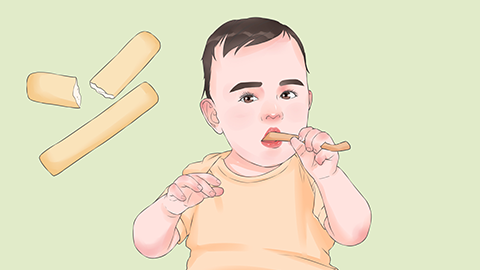
1. Mental stress: Excessive academic pressure or overexcitement before bedtime can keep the child's nervous system in a tense state during sleep, leading to teeth grinding as a way to release stress. Parents should pay attention to their child's emotional state and arrange quiet activities before bedtime, such as reading together, to help the child relax and enter a calm sleep state.
2. Malocclusion: During the tooth replacement period, misaligned teeth, dental caries, or tooth loss may lead to imbalanced occlusion, causing the child to grind teeth to adjust the bite. Parents should take the child to see a dentist regularly to treat dental problems such as caries promptly. If teeth alignment is abnormal during the tooth replacement period, orthodontic treatment can be considered after the permanent teeth have fully erupted, following a dentist's evaluation.
3. Improper eating habits before bedtime: Eating too much or consuming indigestible food before bedtime increases the burden on the gastrointestinal tract, causing it to remain active during sleep, which may trigger teeth grinding. Parents should arrange meals appropriately, avoiding late or excessive dinners, and refrain from eating 1–2 hours before bedtime. Easily digestible foods such as millet porridge and soft noodles should be consumed to reduce gastrointestinal strain.
4. Ascariasis: Poor hygiene habits may lead to accidental ingestion of parasite eggs. Once蛔虫s parasitize the intestines, they irritate the intestinal wall, impair digestive function, and cause teeth grinding. Symptoms may also include abdominal pain, poor appetite, and weight loss. It is recommended to use medications such as albendazole tablets, mebendazole tablets, or piperazine citrate syrup under medical supervision to alleviate symptoms.
5. Vitamin D deficiency rickets: Insufficient sunlight exposure or inadequate vitamin D intake may impair calcium absorption, leading to decreased blood calcium levels and increased neuromuscular excitability, which can cause teeth grinding. Other symptoms may include excessive sweating, night terrors, and skeletal deformities. It is recommended to use medications such as vitamin D drops, calcium gluconate oral solution, or calcium carbonate D₃ granules under medical guidance to relieve discomfort.
In daily life, parents should encourage children to participate in physical activities and hobbies to release stress in a healthy manner.
References:
[1] Zhang Xiaocong, Gao Xiaoxia. Effects of modified Sijunzi Decoction combined with vitamin D on vitamin D deficiency rickets and its impact on bone metabolism indicators[J]. Hainan Medical Journal, 2024, 35(23): 3366–3370.
[2] Why do children grind their teeth during sleep? [N]. Family Doctor Newspaper, 2004/06/21(008).