


Can Lily Bulb (Bai He) Be Steeped in Water for Consumption?
Apr 03, 2025
Source: Cainiu Health

Dr. Zhang Xiuhong
Introduction
Under normal circumstances, lily can be consumed as a herbal tea, but it should be taken in moderation. Lily is a commonly used traditional Chinese herb with a slightly cold nature and a sweet taste, entering the lung and heart meridians. Lily contains mucilage and polysaccharides, which can moisten the lungs and alleviate symptoms such as dry cough and irritative cough, particularly suitable for cough caused by lung dryness or lung heat. As it enters the heart meridian, lily can nourish the heart blood and calm the mind.
Generally speaking, lily can be consumed as a herbal tea, but it should be taken in moderation. The detailed explanation is as follows:
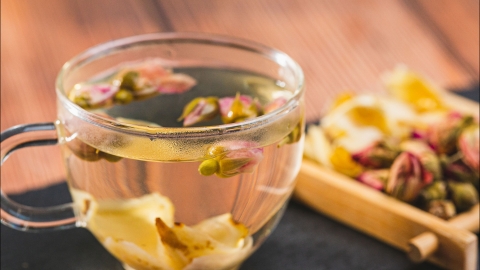
Lily is a commonly used traditional Chinese herb. It has a slightly cold nature and a sweet taste, affecting the lung and heart meridians. Lily contains mucilage and polysaccharides that can moisten the lungs and help relieve symptoms such as dry cough and irritative cough, particularly suitable for cough caused by lung dryness or lung heat. As it enters the heart meridian, lily can nourish the heart blood, calm the mind, alleviate symptoms such as insomnia with vivid dreams, irritability, restlessness, and palpitations, and improve sleep quality. Rich in vitamins and minerals, lily provides excellent nourishment for the skin, promotes skin cell metabolism, enhances skin smoothness and fineness, and delays aging.
However, note that it should be consumed in moderation, as excessive intake may cause discomfort such as diarrhea. Due to its slightly cold nature, lily is suitable for individuals with a hot constitution or those suffering from yin deficiency and excessive internal heat. People with spleen and stomach cold deficiency or diarrhea with loose stools should consume lily cautiously or avoid it altogether. Special populations such as pregnant women, lactating women, women during menstruation, and individuals with wind-cold感冒 (common cold) should consume lily tea under the guidance of a physician.
Lily tea should not be consumed together with warm-natured foods such as lamb or pork, as this may cause discomfort such as diarrhea or poisoning. If any adverse reactions occur during consumption, it is recommended to seek medical attention promptly.


