


Can Heishunpian treat spleen and kidney yang deficiency?
Apr 08, 2025
Source: Cainiu Health

Dr. Zhang Xiuhong
Introduction
Heishunpian is a commonly used traditional Chinese medicine, with aconitine-like substances as its main components. It has the effects of warming yang to dispel cold and relieving pain. Spleen and kidney yang deficiency are primarily manifested as symptoms such as aversion to cold with cold limbs, soreness and weakness of the waist and knees, and loose stools. If the patient's primary pathological mechanism is excessive internal cold-dampness and insufficient yang energy, Heishunpian can be used under the principle of syndrome differentiation and treatment in TCM due to its function of warming yang and dispersing cold.
Heishun Pian is commonly used to treat spleen and kidney yang deficiency, but it should be used under the guidance of a physician. If discomfort occurs, it is recommended to seek medical attention at a hospital promptly and proceed with treatment as directed by a doctor.
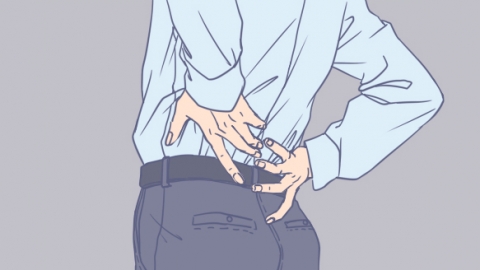
Heishun Pian is a commonly used traditional Chinese medicine, with aconitine-like substances as its main components, exerting effects of warming yang to dispel cold and relieving pain. Spleen and kidney yang deficiency typically manifest as symptoms including cold intolerance, cold limbs, lumbago and weakness in the knees, and loose stools. If the primary pathological mechanism of the disease is internal abundance of cold-dampness and insufficient yang energy, Heishun Pian can be used under the principle of TCM syndrome differentiation and treatment, helping to warm and supplement the yang of the spleen and kidneys and alleviate the above symptoms due to its function of warming yang and dispersing cold.
Heishun Pian can effectively treat pain caused by invasion of cold pathogenic factors or numbness and pain caused by obstruction of meridians due to cold-dampness. It also has effects of warming the kidneys and stopping diarrhea and can provide certain therapeutic benefits for prolonged diarrhea, intestinal rumbling, abdominal distension, and other conditions caused by spleen and kidney yang deficiency. It should be used rationally under a physician's guidance to ensure safety and effectiveness.
Pregnant women should avoid using Heishun Pian, as its potent warming and tonifying effects may adversely affect the fetus. Regular follow-up visits should also be conducted during treatment to adjust the treatment plan according to changes in the patient's condition.




