


Can Dendrobium officinale be steeped in water for consumption?
Apr 15, 2025
Source: Cainiu Health

Dr. Zhang Xiuhong
Introduction
Under normal circumstances, Dendrobium (Iron皮 Stone斛) can be steeped in water for consumption, but it should be taken in moderation. Drinking Dendrobium-infused water helps nourish body fluids, lubricate the joints, thereby strengthening muscles and bones, improving joint mobility, and enhancing resistance to rheumatism. Dendrobium has functions of nourishing yin and enriching blood, and contains abundant polysaccharides that can enhance immune function.
Generally, Dendrobium officinale can be consumed as a steeped herbal tea, but it should be taken in moderation. Detailed explanations are as follows:
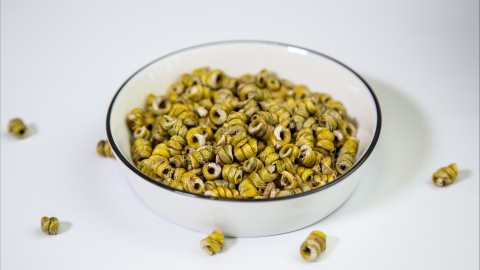
Drinking Dendrobium officinale tea can nourish body fluids, lubricate the joints, thereby strengthening muscles and bones, improving joint mobility, and enhancing resistance to rheumatism. Dendrobium officinale has the function of nourishing yin and enriching the blood, and contains abundant polysaccharides that can enhance immune function. It is a stomach-nourishing and fluid-generating herb that effectively inhibits Helicobacter pylori, a common pathogen causing gastrointestinal diseases, and is beneficial for treating conditions such as atrophic gastritis, superficial gastritis, and duodenal ulcers associated with Helicobacter pylori infection. Additionally, oral administration of Dendrobium officinale decoction can promote gastric juice secretion, enhance gastric emptying capacity, and aid digestion.
However, it should be consumed in moderation to avoid placing excessive burden on the gastrointestinal system. Continuous consumption should not exceed one week to prevent nutritional imbalances caused by long-term reliance on a single herb. Pregnant women, children, and individuals with chronic illnesses, especially those currently taking other medications, should consult a physician before use to prevent adverse reactions or drug interactions.
Individuals allergic to Dendrobium officinale should avoid consumption to prevent adverse symptoms such as skin itching and rashes. Due to its slightly cold nature, individuals with spleen and stomach deficiency-cold should avoid its consumption, as it may exacerbate symptoms of coldness in these organs, leading to discomfort such as abdominal pain and diarrhea.


