


What to do about infant diarrhea and dehydration
May 08, 2025
Source: Cainiu Health

Dr. Zhou Xiaofeng
Introduction
Under normal circumstances, infant diarrhea with dehydration may be caused by underdeveloped digestive system, intestinal flora imbalance, viral diarrhea, bacterial dysentery, acute gastroenteritis, and other factors. Treatment can be carried out under a doctor's guidance using general treatments, medication, and other methods. In daily life, it is important to maintain dietary hygiene, pay attention to changes in weather conditions, and take preventive measures against infant diarrhea.
Generally, infant diarrhea with dehydration may be caused by incomplete development of the digestive system, intestinal flora imbalance, viral diarrhea, bacterial dysentery, acute gastroenteritis, and other conditions. It is recommended to seek timely medical attention and follow the guidance of a physician regarding general treatment and medication. Specific explanations are as follows:
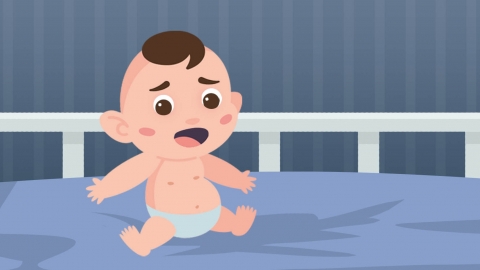
1. Incomplete Development of the Digestive System
An infant's digestive system has not fully developed, and the intestinal flora is unstable, with relatively weak gastrointestinal function, making it susceptible to external factors that can cause diarrhea and dehydration. Feeding should be reasonable, avoiding overfeeding or improper feeding. Usually no specific treatment is required, but for breastfed infants, it is important to ensure the mother maintains a balanced diet and avoids excessively fatty or irritating foods.
2. Intestinal Flora Imbalance
The beneficial bacterial flora in an infant's intestines has not fully established. When affected by dietary changes, antibiotic use, or other factors, intestinal flora imbalance can occur, leading to diarrhea and dehydration. No specific treatment is usually required, and parents can help relieve the infant's discomfort through gentle massage.
3. Viral Diarrhea
Viral diarrhea may be caused by rotavirus, norovirus, and other viruses. During viral infection, the intestinal mucosa is invaded by the virus, causing excessive loss of fluids and electrolytes through diarrhea, which can lead to dehydration. Associated symptoms may include nausea and fever. Treatment should follow medical advice and may include medications such as smectite powder, Bifidobacterium triple viable capsules, and oral rehydration salts.
4. Bacterial Dysentery
Bacterial dysentery may be associated with Shigella infection and is commonly caused by consuming contaminated food. When the gastrointestinal tract is irritated, peristalsis increases, affecting bowel movements and causing diarrhea. Symptoms may include mucus or blood in the stool and abdominal pain. Treatment may include medications such as amoxicillin-clavulanate potassium granules, cefaclor granules, and cephalexin granules, as directed by a physician.
5. Acute Gastroenteritis
Acute gastroenteritis may be caused by consumption of unclean food. Frequent diarrhea and vomiting can lead to significant fluid and electrolyte loss, resulting in dehydration. Symptoms may also include abdominal pain and vomiting. Treatment may include medications such as aluminum phosphate gel, Bacillus subtilis and Bifidobacterium bifidum viable granules, and domperidone suspension, following a physician's recommendation.
In daily life, parents should pay attention to maintaining dietary hygiene and monitoring changes in weather to help prevent infant diarrhea.



