


Can I eat royal jelly during my menstrual period?
May 22, 2025
Source: Cainiu Health

Dr. Zhang Lu
Introduction
Royal jelly contains various nutrients including proteins, fats, carbohydrates, vitamin A, vitamin B, folic acid, pantothenic acid, and inositol. It has antibacterial and anti-inflammatory properties and can help improve anemia. During menstruation, women lose a significant amount of blood, which can easily lead to temporary anemia and nutritional deficiencies. At such times, moderate consumption of royal jelly can help supplement iron and other essential nutrients.
Generally speaking, women can consume royal jelly in moderation during their menstrual period, but they should be cautious about possible allergic reactions. The detailed explanation is as follows:
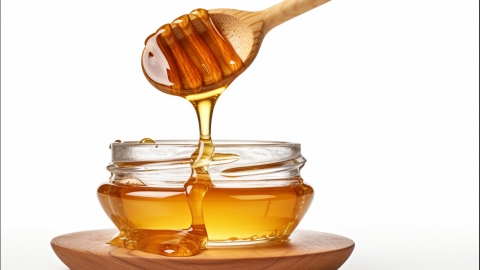
Royal jelly contains various nutrients, including proteins, fats, carbohydrates, vitamin A, vitamin B, folic acid, pantothenic acid, and inositol. It has antibacterial and anti-inflammatory properties and can help improve anemia. During the menstrual period, women lose a significant amount of blood, which can lead to temporary anemia and malnutrition. Consuming an appropriate amount of royal jelly at this time can help supplement iron and other essential nutrients, thereby helping to alleviate symptoms of anemia and malnutrition.
Although royal jelly is nutrient-rich, excessive consumption may cause discomfort such as heatiness or gastrointestinal discomfort. Therefore, it is recommended to consume royal jelly in moderation according to individual health conditions and needs. People who are allergic to bee products may experience allergic reactions, such as rashes and difficulty breathing, if they consume royal jelly during their menstrual period, and should therefore avoid its consumption.
During menstruation, maintaining a balanced diet, adequate hydration, and sufficient nutrient intake, while avoiding excessively cold or spicy foods, can help maintain overall health.



